
Why Every AI-Illustrated Book Looks the Same
Search "AI children's book" on Amazon. You'll see the same book over and over: glossy 3D characters with round faces, plastic skin, and that unmistakable Pixar-meets-stock-photo aesthetic. It's everywhere because it's the default. And defaults are lazy.
The Pixar Default Problem
Every major AI image model — Midjourney, DALL-E, Stable Diffusion — has been trained on billions of images. When you prompt them with "children's book illustration," they converge on the same look: bright, glossy, 3D-ish characters with oversized eyes and smooth gradients. It's technically impressive and completely generic.
The result? Hundreds of self-published books that are visually indistinguishable. A reader scrolling Amazon can't tell one from another. Your book — the one you spent months writing — drowns in a sea of identical covers and pages.
The problem isn't AI. The problem is that most tools give you one style and call it done.
What "Having a Style" Actually Means
Think about the picture books you grew up with. You could recognize a Quentin Blake illustration from across a room. Maurice Sendak's monsters looked nothing like Eric Carle's caterpillar. Each artist had a visual identity so strong that the style was the brand.
That's what your book needs — not technical perfection, but a look that belongs to your story and no one else's. Here's what that looks like when you actually have choices:

Cozy Storybook
Warm, hand-painted feel

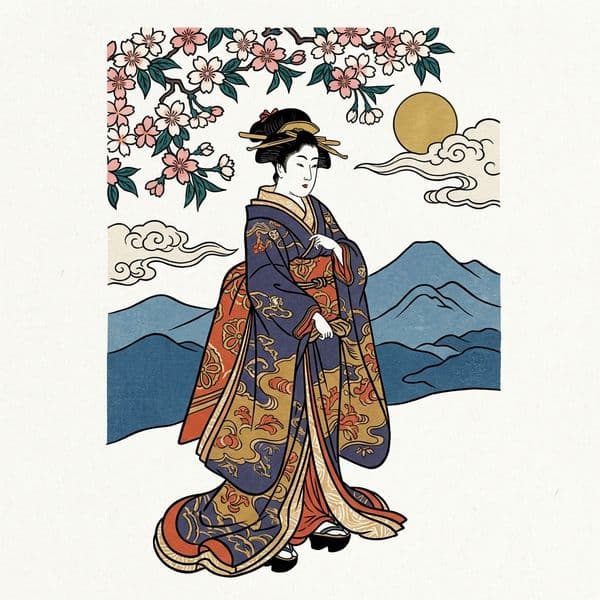
Japanese Woodblock
Ukiyo-e tradition

Gothic Fairytale
Dark, atmospheric detail
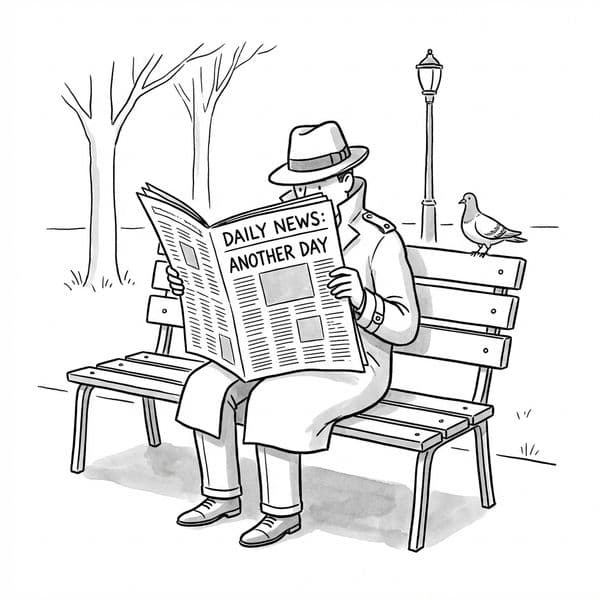
New Yorker Cartoon
Clean pen and ink
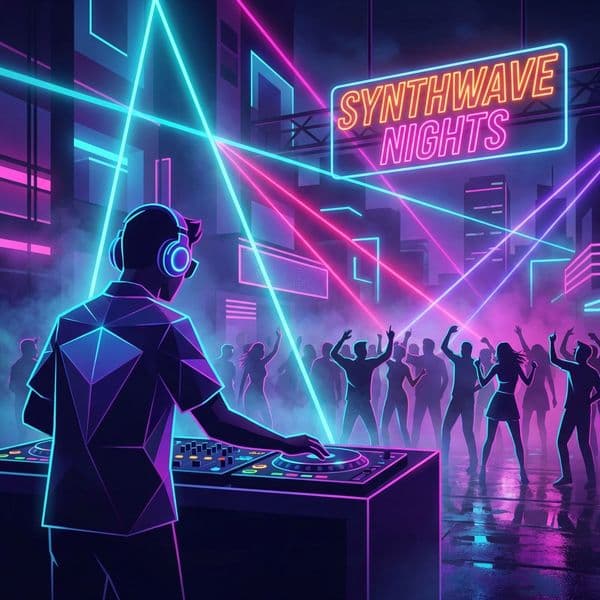
Neon Dreams
Synthwave cyberpunk

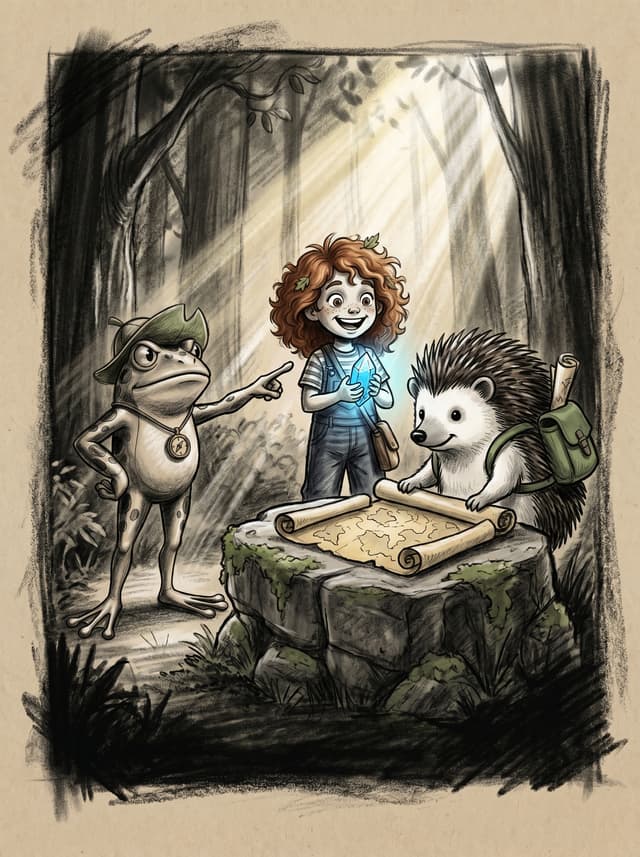
Charcoal Drama
Raw, textured sketch

Ligne Claire
European comic tradition
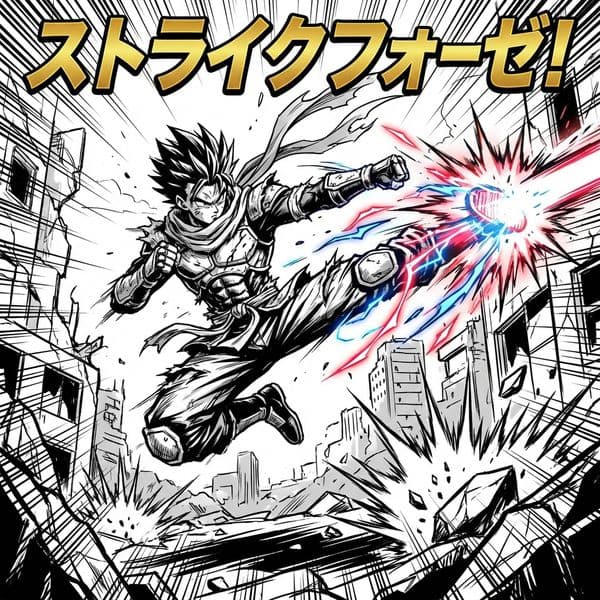
Manga Action
Japanese manga energy
Eight styles. Eight completely different visual worlds. Not one of them looks like "generic AI art." These are all available in PulseBook — alongside 17 more.
Each style isn't just a filter slapped on a base image. It's a curated set of art direction instructions: line weight, color palette, texture, character proportions, background detail level, lighting approach. The difference between a good style and a prompt hack is the same difference between a recipe and a list of ingredients.
Same Story, Completely Different Worlds
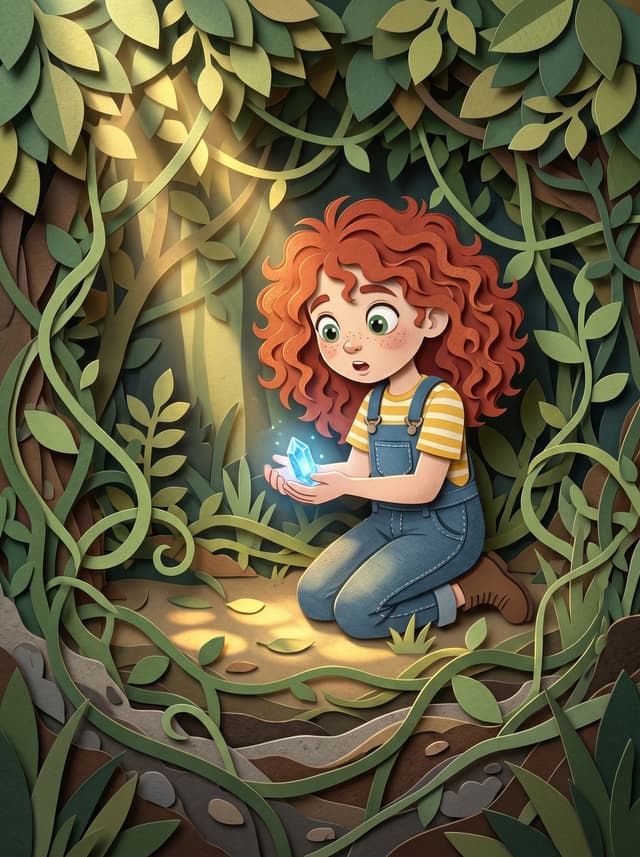
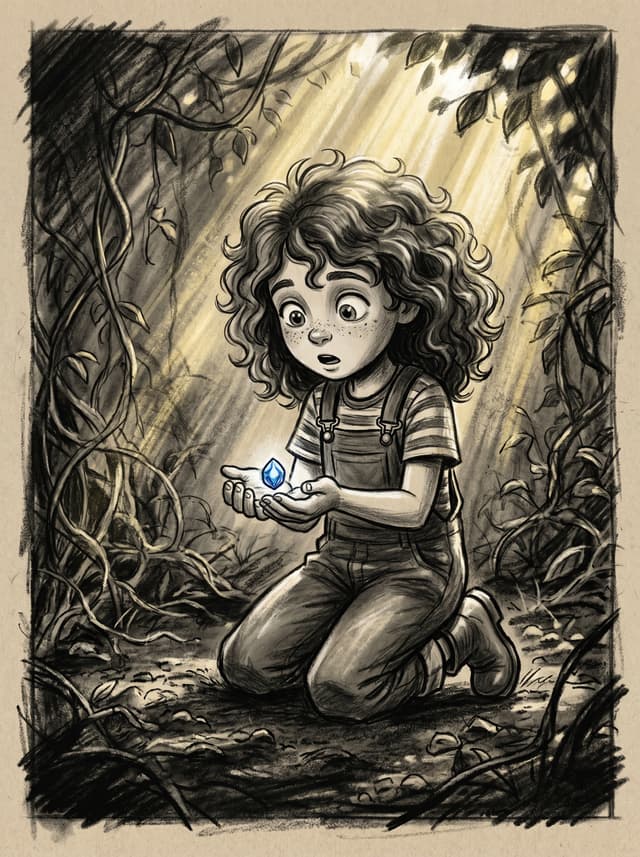
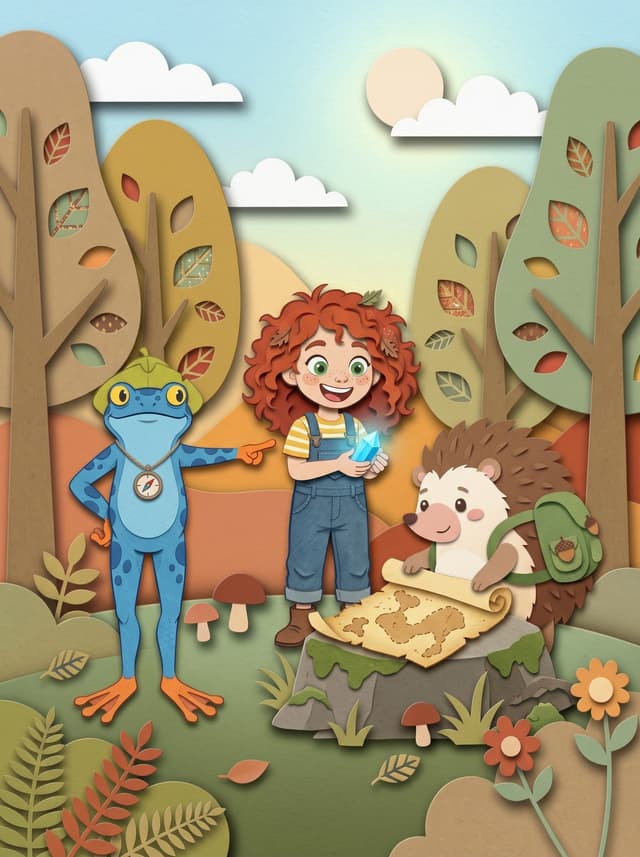
Here's the proof. We took the same story — "Luna and the Whispering Falls Crystal" — with the same characters (Luna, Captain Splash, Bramble) and the same scene descriptions. Then we rendered it in two completely different styles.
Three styles. Ligne Claire (European comic tradition), Paper Cut Folk Art (layered paper craft), and Charcoal Drama (raw graphite on textured paper). Same characters, same scene descriptions, three completely different books:
Scene 1: Luna discovers the crystal
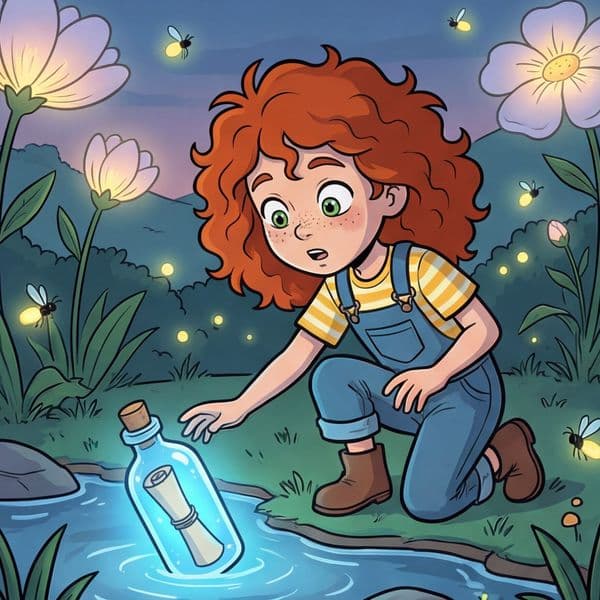
Scene 2: The team sets out
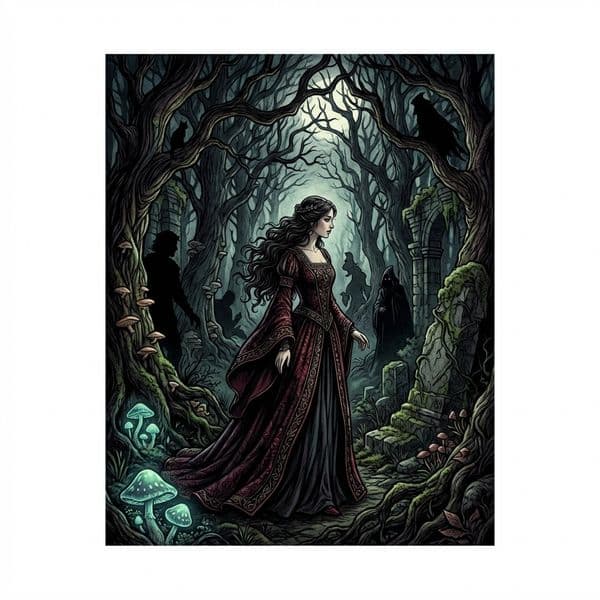
Scene 3: Through the swamp
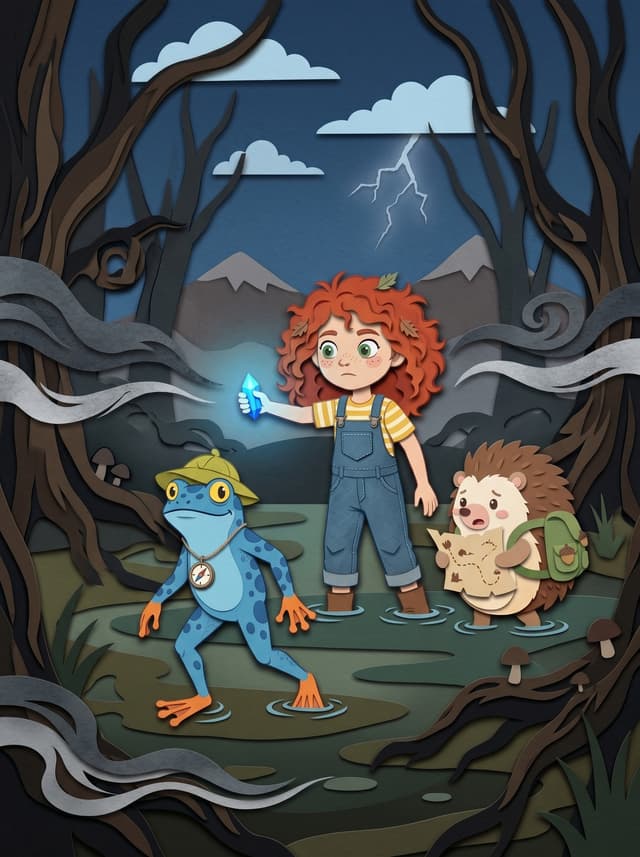
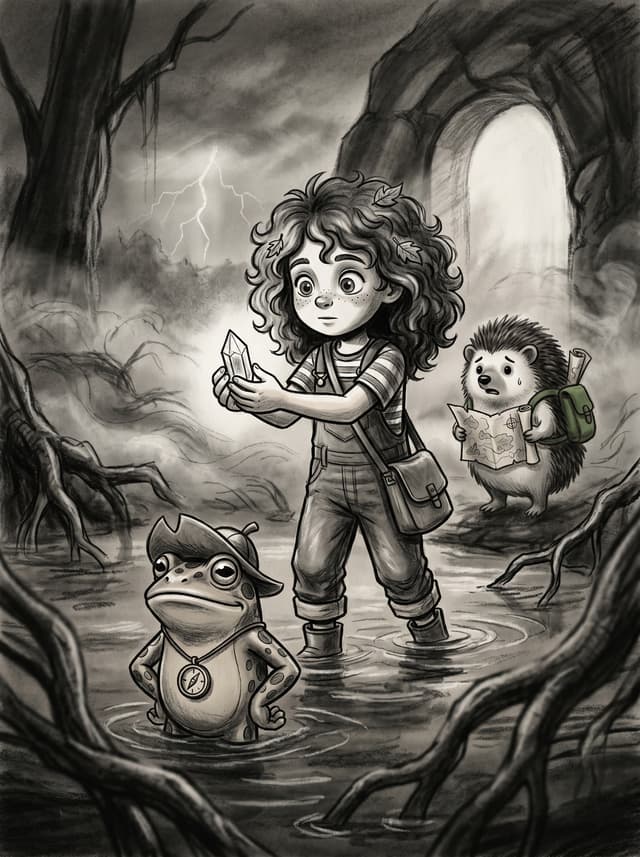
Same Luna with her curly red hair and blue overalls. Same Captain Splash with his compass. Same Bramble with his map. Three completely different books — clean comic outlines, layered paper craft, raw charcoal on textured paper.
Switching styles in PulseBook takes seconds. The characters transfer because they're defined by their DNA (appearance, clothing, accessories), not by a single illustration. Your characters are yours — put them in any visual world you want.
Beyond Presets: Custom Styles
The 50+ preset styles are starting points. In PulseBook, you can also describe your own style from scratch — line weights, color rules, texture preferences, what to avoid. Your style description becomes the art direction for every page in your book.
Want watercolor washes with ink outlines but no gradients? Describe it. Want retro 1970s picture book vibes with muted earth tones? Describe it. The style system isn't a dropdown menu — it's a creative brief.
Why This Matters for Your Book
Self-published children's books compete on two things: story and art. You can't control whether a reader likes your story from the thumbnail. But you can control whether your thumbnail stops their scroll.
A book in Japanese Woodblock style will catch the eye of someone scrolling past twenty identical glossy-3D covers. A Charcoal Drama cover signals "this is something different" before anyone reads a word. A Ligne Claire look tells European comic fans "this was made for you."
Style is your first impression. Make it count.
Stop Making Books That Look Like Everyone Else's
The default Pixar look exists because it's the path of least resistance. It's what you get when you don't make a choice. Making a choice — a real, intentional art direction choice — is what separates a book from a product.
Your story is unique. Your illustrations should be too.
Find your book's visual identity
50+ curated styles, custom style descriptions, and consistent characters across every page.
Start Free