
Bring Your Fantasy World to Life
Your characters deserve to look the same on page 300 as they did on page 1. Build a visual identity for your fantasy novel — from character portraits to battle scenes to detailed maps.
The Problem
Fantasy art commissions cost more than your advance
A single cover commission runs $500-$2,000. Add interior illustrations, character sheets, and maps and you're looking at $3,000-$10,000 — more than most indie fantasy authors earn back.
Generic fantasy art doesn't match your world
Stock art gives you Tolkien-standard elves and dragons. But your magic system has visible rune tattoos, your races have bioluminescent markings, your architecture blends Art Nouveau with coral reef. You need art that matches YOUR worldbuilding.
Characters drift across a series
Your protagonist's scar moves between chapters. Their armor changes color. Across a trilogy, visual consistency becomes nearly impossible — especially when working with different artists or one-off generations.
How PulseBook Solves It
Styles built for fantasy subgenres
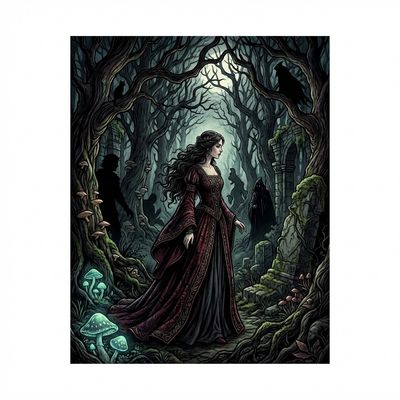
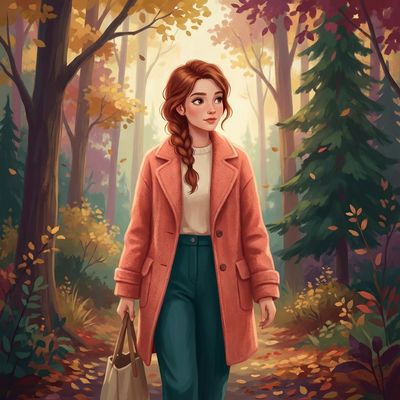
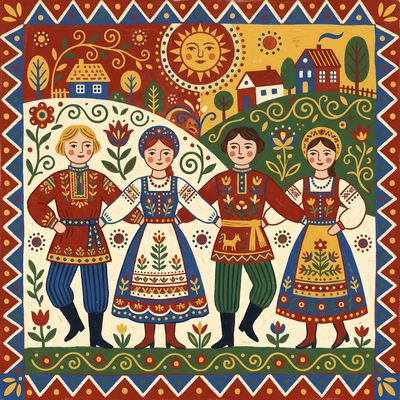
Gothic Fairytale for grimdark and dark fantasy (think Abercrombie, Barker). Soft Digital Painting for epic fantasy with painterly warmth. Folk Art Charm for folklore and myth-inspired stories. Japanese Woodblock for Eastern-influenced worlds.
Persistent character and creature profiles
Define your protagonist's scars, armor, and eye color once. Create creature profiles for your original races. PulseBook locks their appearance across every scene in the book — or across an entire series.
Location profiles for consistent worldbuilding
Create profiles for your fortress cities, enchanted forests, and underground kingdoms. Every scene set in that location renders with the same architecture, lighting, and atmosphere.
Recommended Styles for Fantasy Novels
These illustration styles are specifically suited for fantasy novels projects. Each one has been curated for the right tone, detail level, and aesthetic.
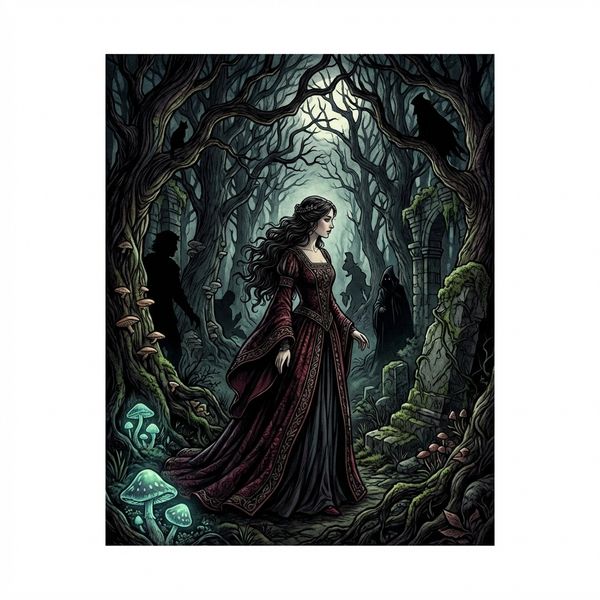
Gothic Fairytale
Dark, romantic style inspired by classic fairy tale illustrations.
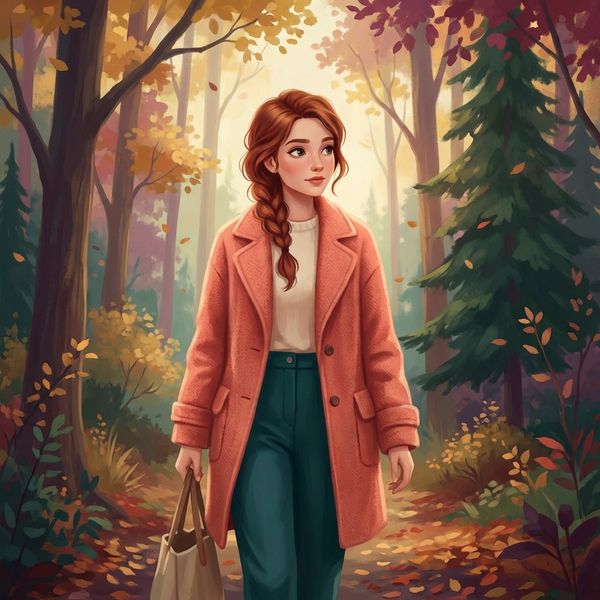
Soft Digital Painting
Contemporary digital painting with smooth gradients and soft lighting.
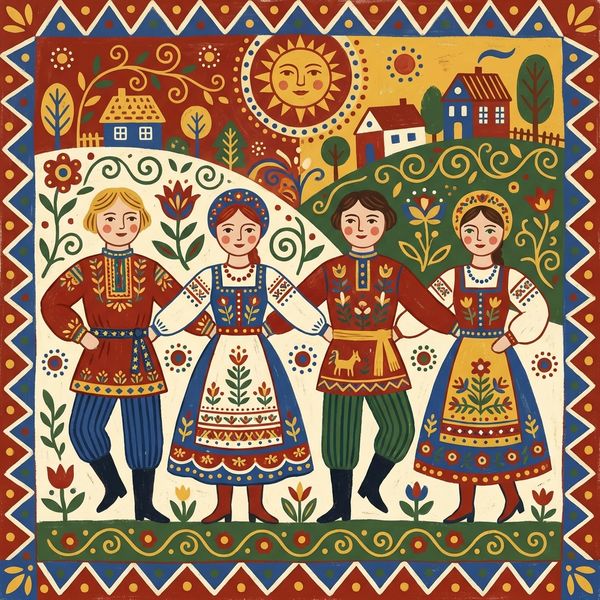
Folk Art Charm
Eastern European and Scandinavian folk art inspired style.
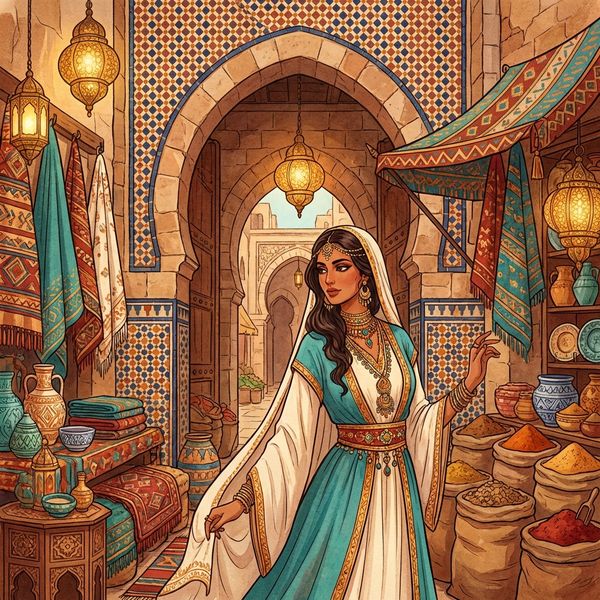
Moroccan Dream
Style inspired by Moroccan and Middle Eastern art traditions.
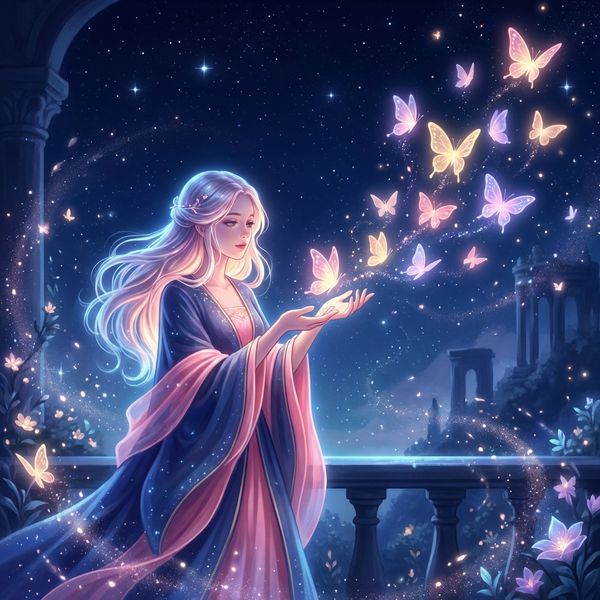
Glowing Dreams
Ethereal digital style with soft glow effects and dreamy atmosphere.
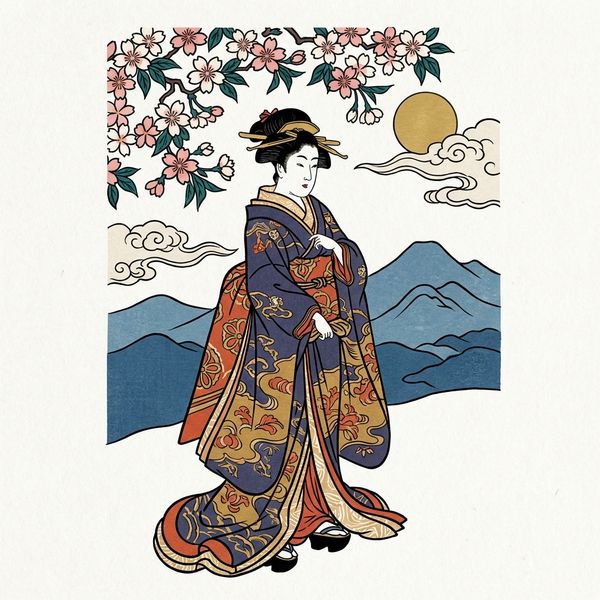
Japanese Woodblock
Style inspired by traditional Japanese ukiyo-e woodblock prints.
Frequently Asked Questions
Can PulseBook create art for original fantasy races and creatures?▾
Which style works best for epic fantasy?▾
Can I maintain consistency across a multi-book series?▾
Can I create fantasy maps and location art?▾
What about battle scenes with multiple characters?▾
How do indie fantasy authors use interior illustrations?▾
Other Use Cases
Children's Books
Create beautiful, consistent picture book illustrations in minutes. From cozy storybook warmth to whimsical watercolors.
Comics & Manga
Your characters need to look the same in panel 1 and panel 200. Build a visual identity for your comic — from dynamic action spreads to quiet emotional beats — in a style that fits your story, not someone else's.
TTRPG & Fantasy
Rich dark fantasy atmospheres, dramatic battle moments, and character portraits that stay consistent from session one to the final boss. Built for DMs and TTRPG creators who want their world to look as epic as it plays.
Educational & Learning Books
Turn lessons into visual stories. Friendly illustration styles, consistent characters, and scene-by-scene generation for textbooks, workbooks, and learning guides.
Poetry & Verse Collections
Pair every poem with evocative, mood-matched artwork. From minimalist ink drawings to lush watercolors, find the visual voice for your verse.
Graphic Novels
Cinematic compositions, consistent characters across every chapter, and art styles from clean ligne claire to atmospheric noir.
Start Creating Your Fantasy Novels
Choose your style, create characters, and generate beautiful, consistent illustrations.
Start Free