
Charcoal Drama vs Pencil Sketch
Choosing the right illustration style can profoundly impact your book's mood and message. This comparison between 'Charcoal Drama' and 'Pencil Sketch' will help you decide which aesthetic best suits your narrative, whether you seek intense drama or authentic, raw energy.
Key Differences
Color Palette
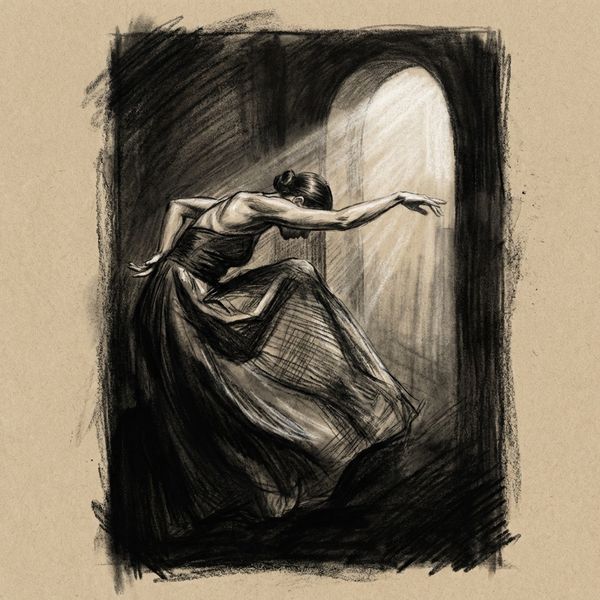
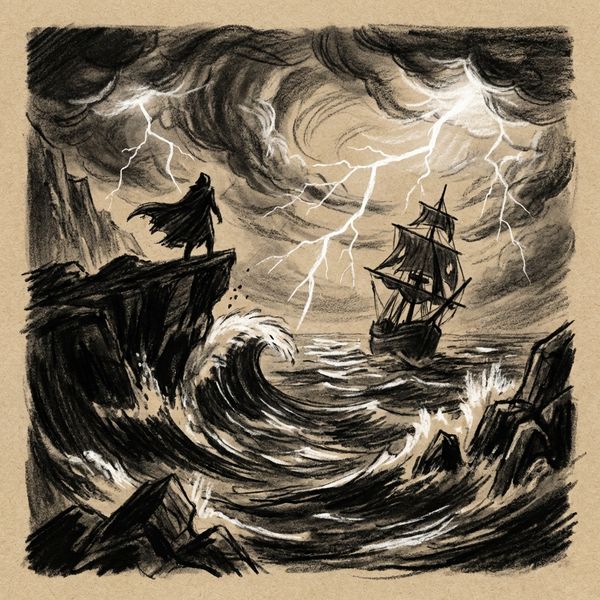
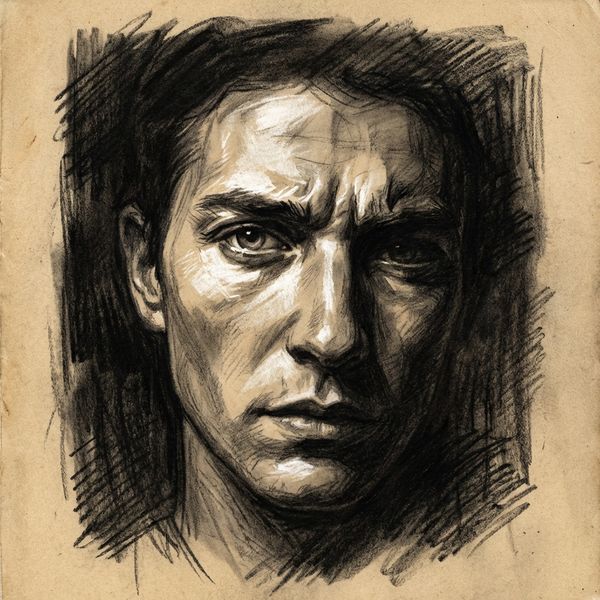
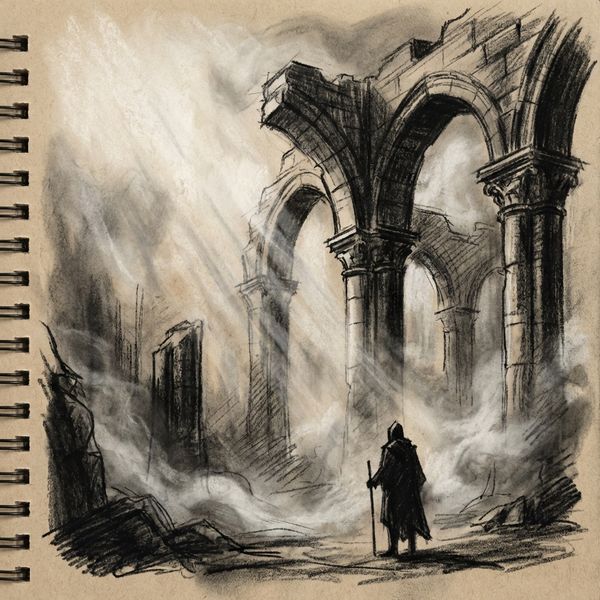
Primarily uses a rich monochrome scale from deep charcoal black to bright white, infused with warm grays and the inherent warmth of a paper texture tan, creating a classic, earthy feel.
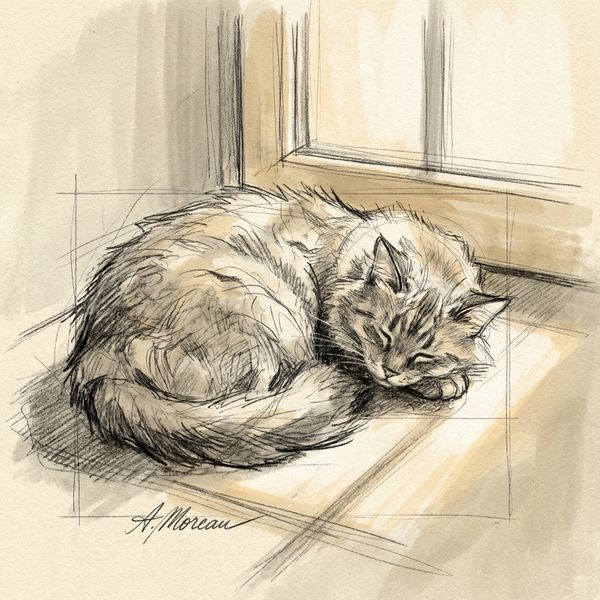
Sticks to a classic monochromatic graphite spectrum, offering a range from soft grays to dark blacks, with the option to introduce subtle warmth via sepia or cool tones with muted blue accents.
Linework & Mark-Making
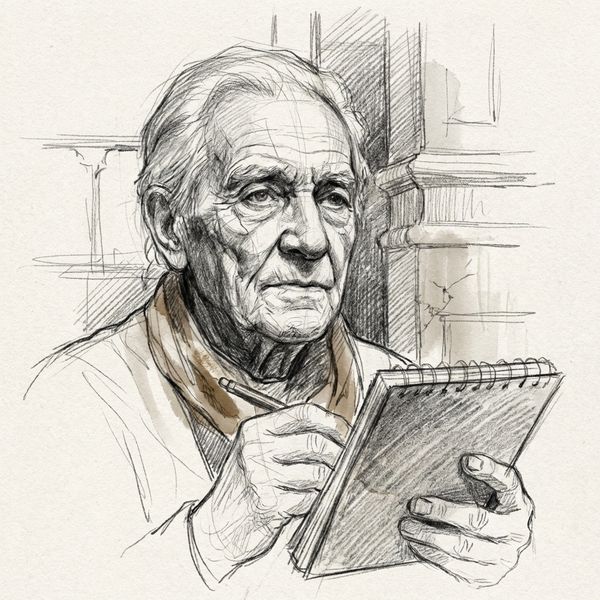
Characterized by bold, expressive marks and broad strokes that build form and convey intensity, often creating powerful textural effects that emphasize the medium.
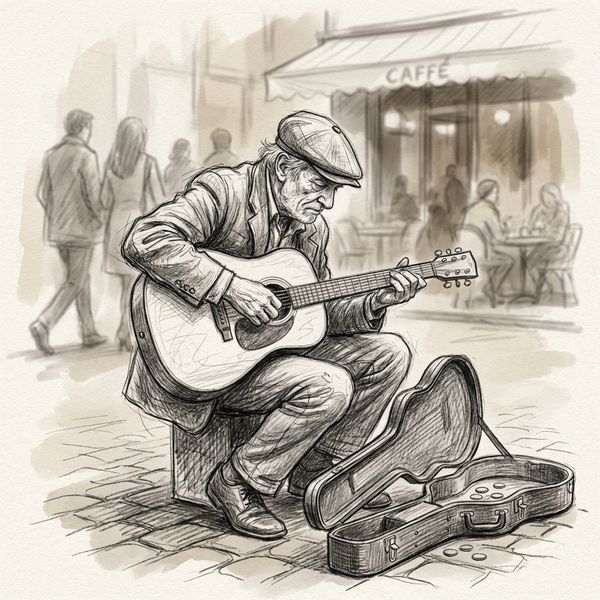
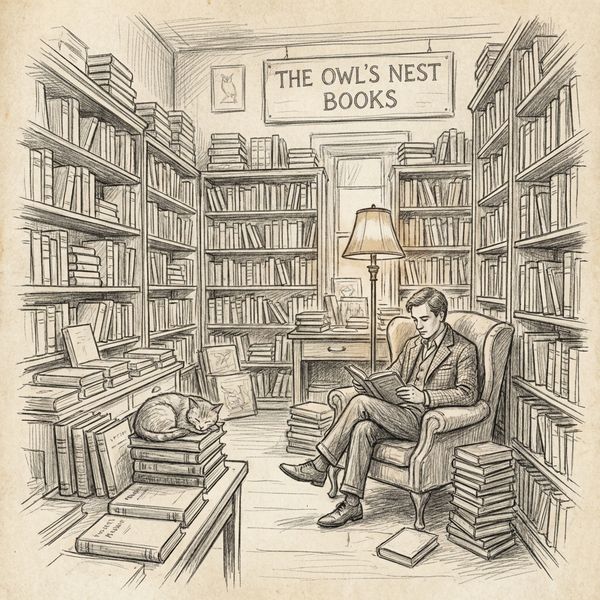
Employs loose, confident, and gestural linework, often combining quick, energetic strokes with more refined rendering in focal areas, mimicking a hand-drawn process.
Value & Contrast
Leverages a dramatic full range of values, from stark deep blacks to brilliant highlights, creating high contrast for powerful emotional impact and sculptural, three-dimensional forms.
Utilizes a softer range of graphite tones, relying on subtle value gradients to suggest form and depth, with a balance between detailed rendering and deliberate areas of suggestion.
Character Portrayal
Features dramatic figures with strong, directional lighting, classical proportions, and highly detailed faces that powerfully emerge from deep shadows, conveying intense emotion and gravitas.
Captures characters in dynamic, expressive poses through gestural rendering, emphasizing detailed facial expressions while maintaining a softer, more suggested treatment for the body.
Environment & Backgrounds
Creates atmospheric and often moody environments defined by strong light and shadow interplay, contributing to the overall drama and sense of depth rather than explicit architectural detail.
Environments are typically implied or suggested through soft value gradients and selective detailing, ensuring characters remain the primary focus and maintaining an unpolished 'sketchbook' feel.
Overall Mood & Aesthetic
Delivers a powerful, intense, and classical aesthetic, perfect for conveying deep emotions, epic narratives, or high-stakes drama with a sense of timeless artistic craftsmanship.
Offers an authentic, spontaneous, and energetic mood, reminiscent of an artist's personal journal or initial concept development, with a raw, immediate, and approachable appeal.
When to Choose Charcoal Drama
Choose Charcoal Drama for narratives that demand gravitas, intense emotional depth, and a dramatic, classical visual impact, such as historical fiction, thrillers, or epic fantasy. It excels at creating powerful, memorable scenes with strong visual tension and a sense of timeless artistry.
Try Charcoal DramaWhen to Choose Pencil Sketch
Opt for Pencil Sketch when you want to convey a sense of raw creativity, intimacy, or spontaneity, ideal for character-driven stories, conceptual art books, or projects that benefit from an 'artist's hand' aesthetic. It's perfect for capturing fleeting moments and expressive gestures.
Try Pencil SketchMore Resources
Frequently Asked Questions
Which style provides more visual detail?▾
Can these styles convey a sense of movement?▾
Is one style inherently 'darker' or more somber than the other?▾
Try Both Styles Free
The best way to choose is to see both styles with your own characters and story. Create a free account and try them side by side.
Start Free