
Creepy Cute vs Moody Noir
Choosing the perfect illustration style sets the tone for your entire book. For authors looking to evoke distinct atmospheres, PulseBook.io offers unique options like 'Creepy Cute' and 'Moody Noir.' While both deliver impactful visuals, they cater to vastly different narrative needs and emotional landscapes, influencing everything from character perception to overall story impact.
Key Differences
Overall Aesthetic & Inspiration
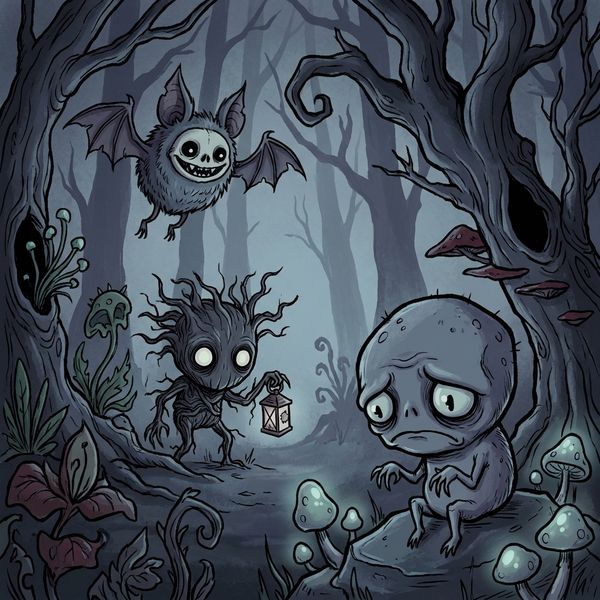
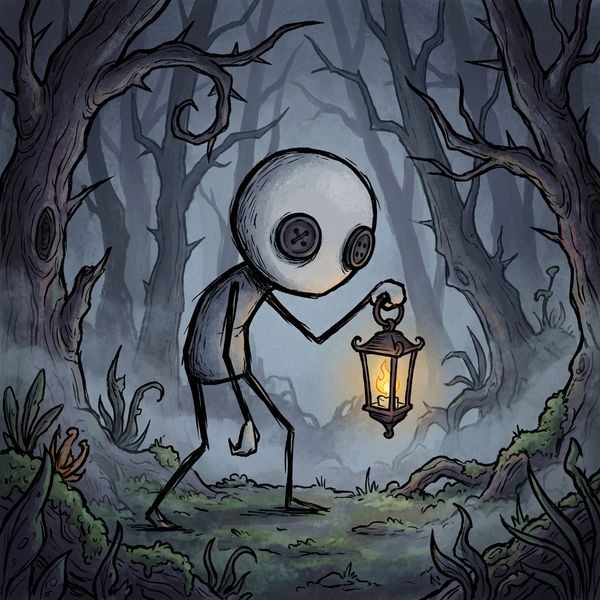
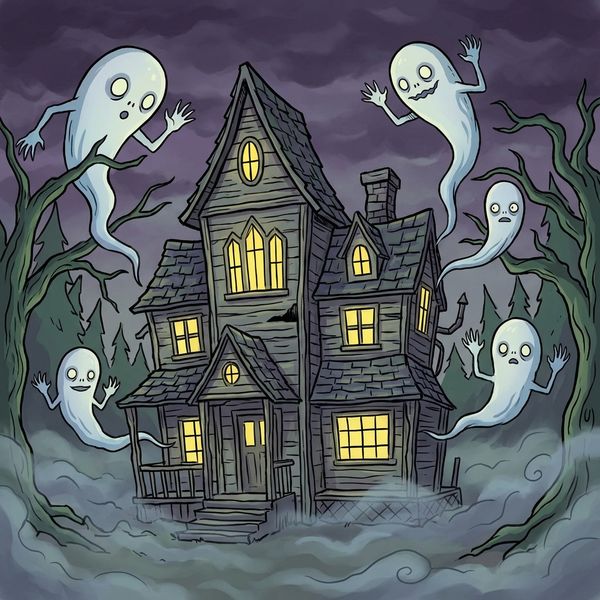
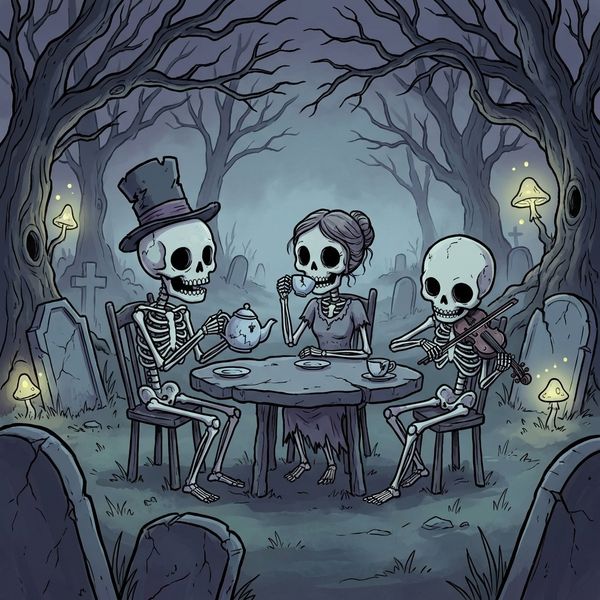
Blends unsettling aesthetics with endearing charm, drawing inspiration from Don't Starve's character design, Junji Ito's horror elements, and Adventure Time's whimsical darkness.
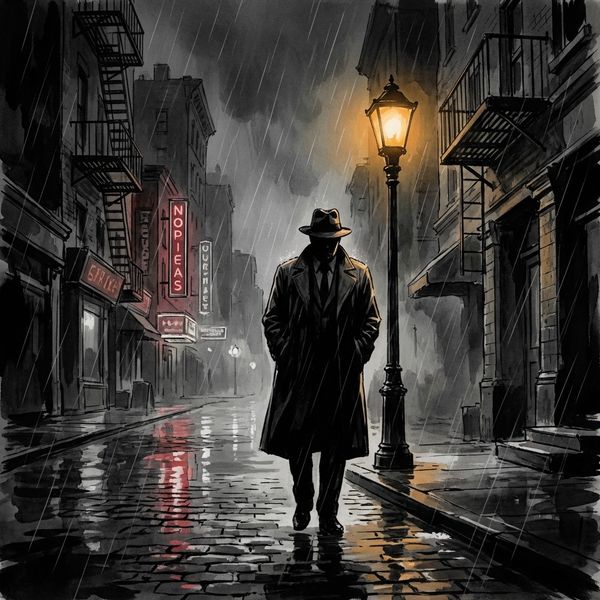
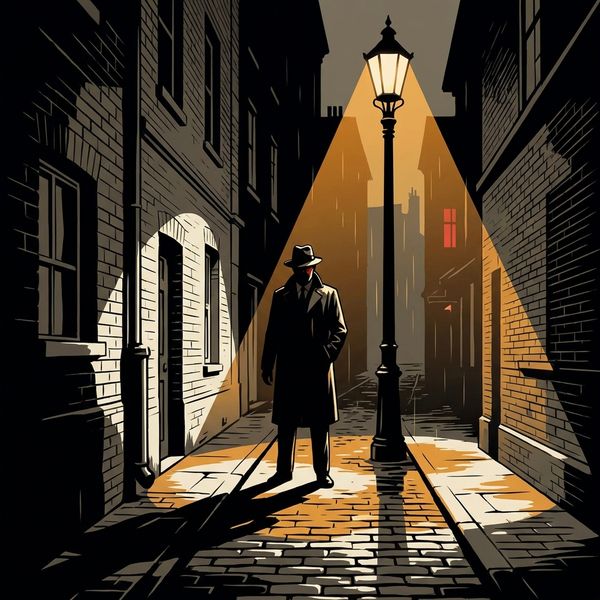
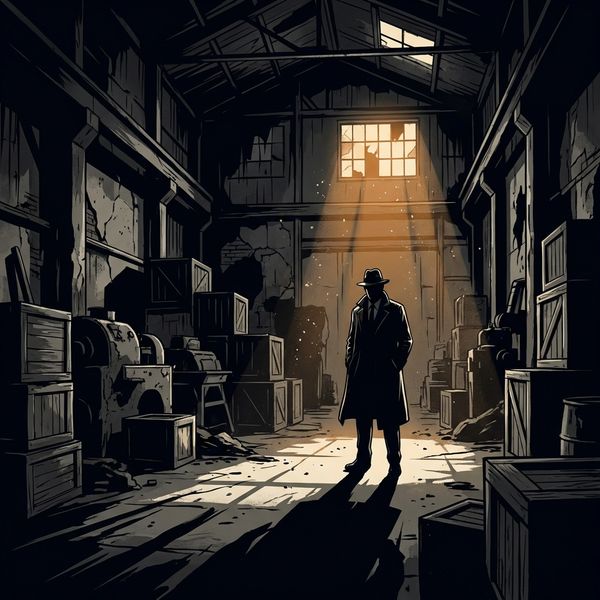
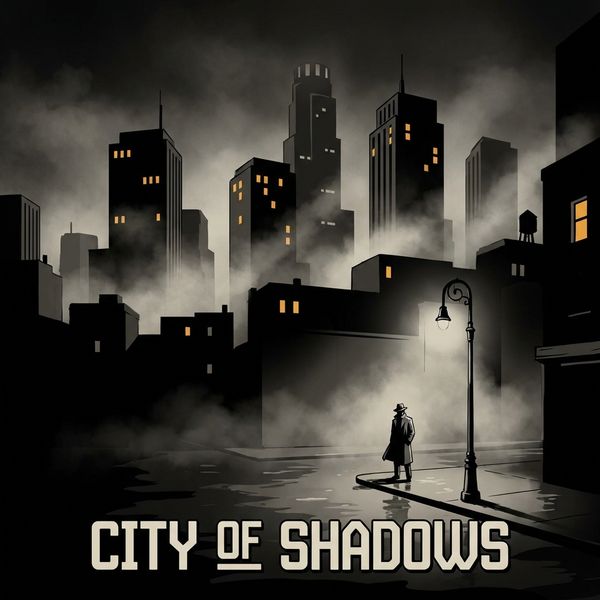
Evokes a cinematic, atmospheric quality, drawing from film noir and graphic novel aesthetics to create high-impact, dramatic images.
Color Palette
A muted palette of blues, grays, and purples creates a dark but readable mood, with deep greens and reds used as sparing accents for emphasis.
Predominantly grayscale, utilizing deep blacks, warm grays, and off-whites, with rare, strategic accents of deep red or amber to draw attention.
Line Work & Texture
Features thick, defined outlines with a slightly rough texture, contributing to its distinct, hand-drawn appearance and emphasizing character forms.
Relies on strong silhouettes and sharp contrasts between light and shadow, minimizing traditional line work to emphasize shape, form, and dramatic tension.
Character Design & Proportions
Characters are stylized with slightly unsettling proportions, such as large heads, thin limbs, and big eyes with small pupils, enhancing their creepy yet endearing appeal.
Characters feature realistic proportions, expressing emotion and narrative through their pose, powerful silhouettes, and interplay with dramatic shadows, rather than fine facial details.
Mood & Atmosphere
Creates a mood of whimsical darkness and unsettling charm – eerie yet endearing, often with a playful, subtly spooky undertone.
Cultivates a sophisticated, intense, and often suspenseful atmosphere, marked by drama, mystery, and a gritty cinematic feel that pulls the reader in.
When to Choose Creepy Cute
Choose Creepy Cute for stories that blend humor with horror, fantasy tales with a dark twist, or children's books that aim for a delightfully spooky feel without being truly terrifying. It's perfect for narratives requiring a unique, quirky charm that lingers with a subtle sense of unease.
Try Creepy CuteWhen to Choose Moody Noir
Opt for Moody Noir when your story demands a sophisticated, dramatic, and intense visual narrative, ideal for crime thrillers, urban fantasies, or literary fiction with a strong, atmospheric backbone. It excels at building suspense and portraying complex emotions through stark contrast and powerful silhouettes.
Try Moody NoirMore Resources
Frequently Asked Questions
Which style is better for a lighthearted children's book?▾
Can I use Moody Noir for a vibrant, action-packed story?▾
How do these styles differ in their use of visual detail?▾
Try Both Styles Free
The best way to choose is to see both styles with your own characters and story. Create a free account and try them side by side.
Start Free