Are Comics Good for Kids Learning to Read? What the Research Says
Short answer: yes — and not as a guilty pleasure. Comics are one of the best-studied on-ramps to reading, and the reasons they work are exactly the reasons kids who “hate reading” love them.
What the research actually says
The classic worry is that comics are junk food: fun, but empty. The vocabulary data says otherwise. In a widely cited analysis, Hayes and Ahrens (1988) found that comic books contain more rare words per thousand than the average children’s book — and several times more than everyday adult conversation. A child reading comics is meeting harder words than a child being talked to, with one big advantage: the pictures show what those words mean.
Reading researcher Stephen Krashen, reviewing decades of studies in The Power of Reading, reached a blunt conclusion: light reading — comics very much included — is how most kids become readers at all. Kids who are allowed to read comics read more, stick with it longer, and move on to longer books on their own. Librarians have used this on-ramp for generations.
The third ingredient is scaffolding. In a comic, the picture carries part of the meaning, so a child can decode a sentence slightly above their level and still follow the story. That keeps them in the zone where reading feels like winning instead of drowning — which is where reading skill actually grows.
Why this matters most for reluctant readers
A reluctant reader is rarely a child who can’t read — it’s a child who has decided reading isn’t worth it. Walls of text look like homework. Comics break the wall into panels: short bursts of text, constant visual payoff, and a built-in reason to turn the page. The format lowers the cost of every sentence, so a child with ten minutes of patience gets a whole scene, not half a paragraph.
And motivation compounds. The child who finishes a comic tonight believes tomorrow’s book is finishable. Reading volume is the single best predictor of reading growth — the format that produces the volume is doing the heavy lifting.
How to pick a comic that actually gets read
Match the level, not the age. A comic a child can read to the end beats an age-appropriate one that stalls on page two. Aim just below the frustration point.
Start inside their interests. Dinosaurs, space, football — the topic buys you the first five minutes; the story has to earn the rest.
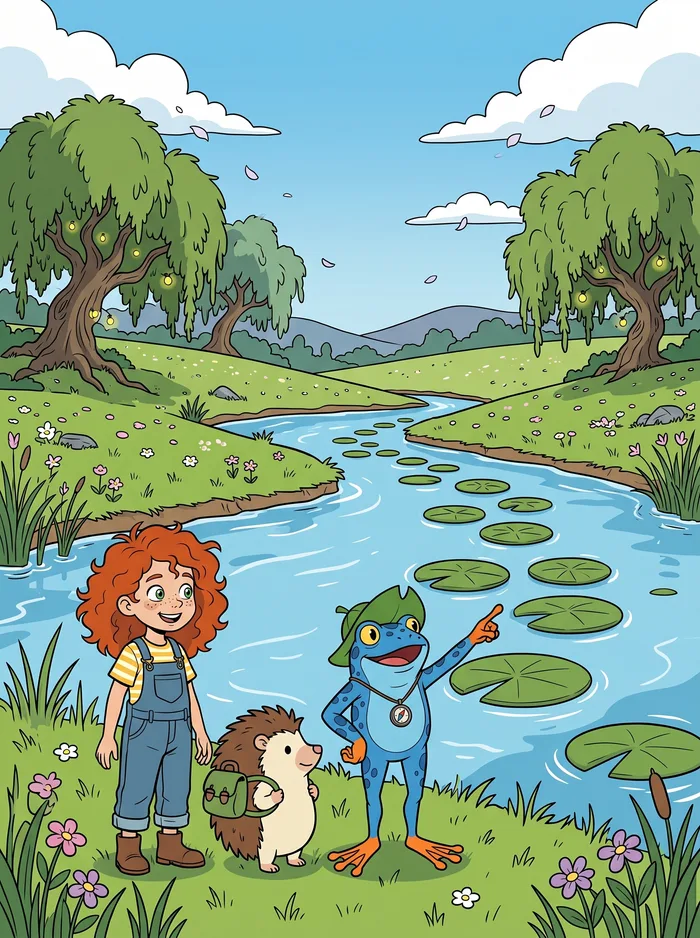
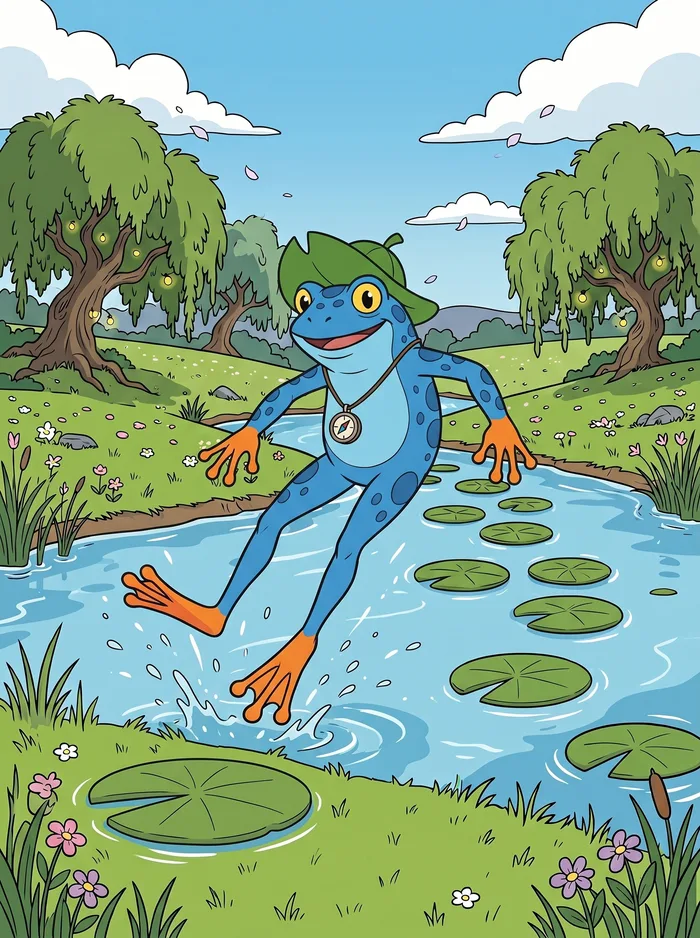
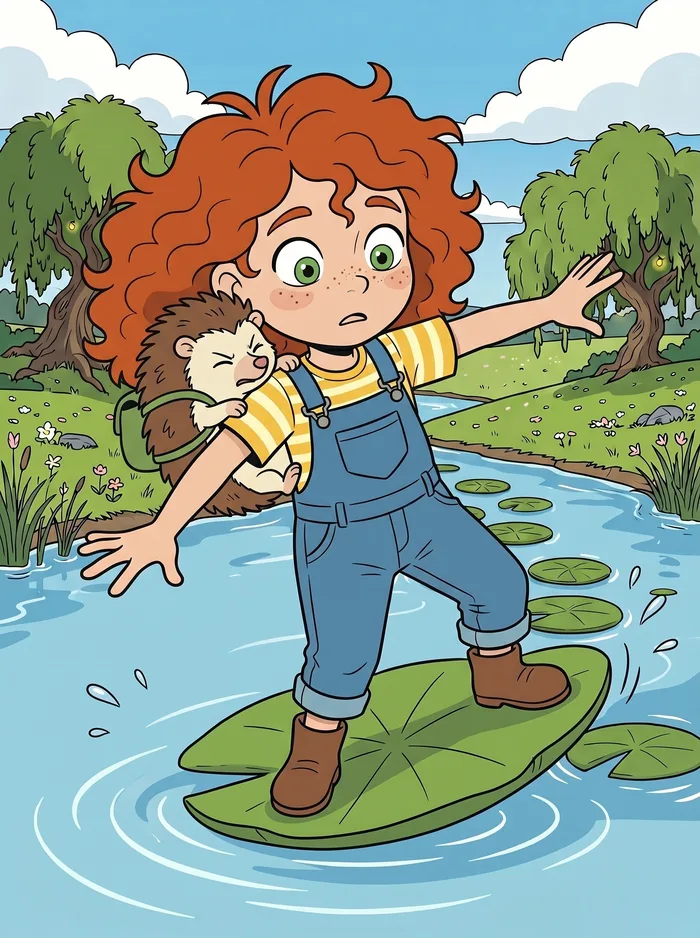
Make it personal if you can. The strongest motivator we know of is the child themselves. EasyRead builds on exactly this: your child becomes the hero of the comic — same face on every page — and you pick the reading level, from first words to confident reader. The story meets them where they are, about the thing they care about most.
Real EasyRead pages — one consistent hero, at a reading level you choose.
An honest note on what comics do (and don’t)
Comics — personalized or not — are not a phonics curriculum. If your child needs structured instruction, comics complement it; they don’t replace it. What comics change is the part school can’t assign: whether the child wants to read. Get that switch flipped and practice takes care of the rest.
Frequently asked questions
Do comics count as "real" reading?▾
Will my child get stuck on comics and never move to books?▾
Are comics too easy to help vocabulary?▾
My child avoids reading entirely. Where do I start?▾
Will a personalized comic teach my child to read?▾
Keep reading
Comics for Reluctant Readers
Comics are the gateway teachers and librarians reach for first. We make one starring your …
Personalized Comic Books
Your kid becomes the hero of their own comic — the same character on every page, written a…
Reading Gifts for Kids
For the child who has every toy already — a comic book where they’re the hero, written at …
Make your child the hero
Send a photo, choose an adventure, pick their reading level. We’ll do the rest.
Make my child’s comic