
Paper Cutout for Educational & Learning Books
Create educational & learning books with Paper Cutout AI illustration. The Paper Cutout style mimics the tactile charm of paper cutout and collage art.
Why Paper Cutout Works for Educational & Learning Books
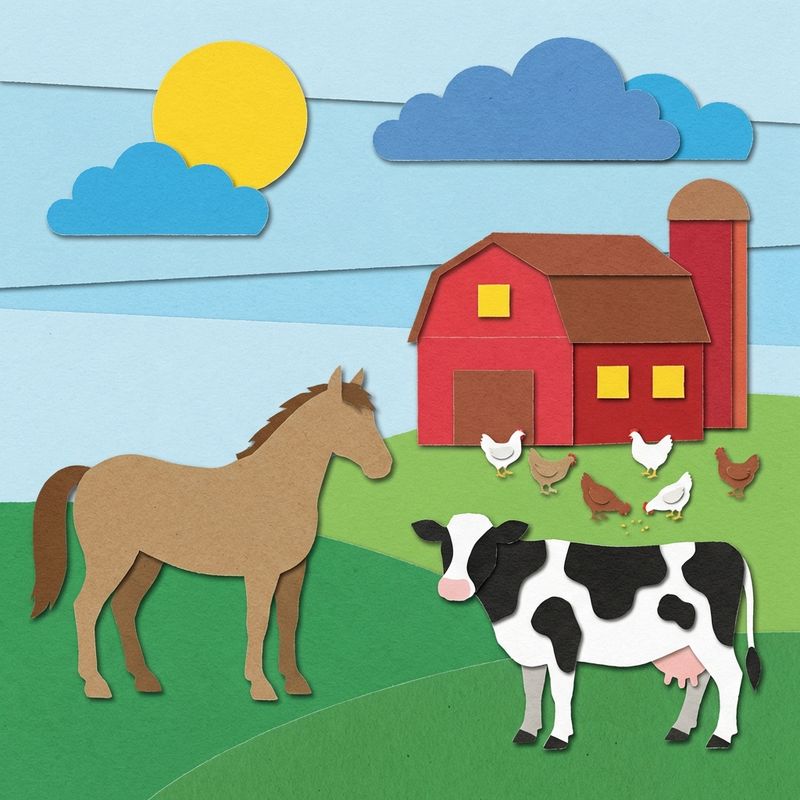
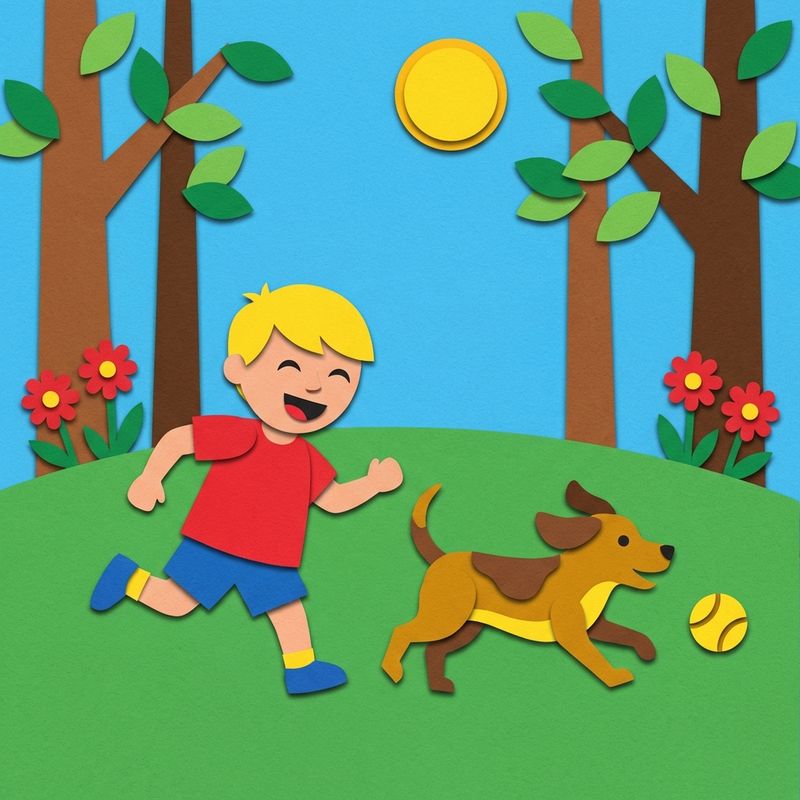
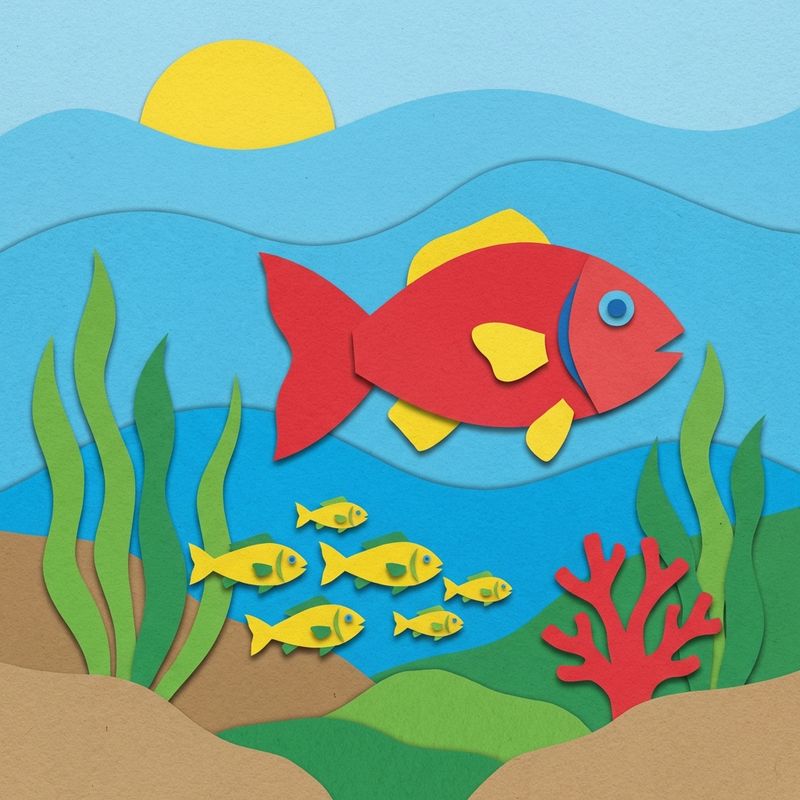
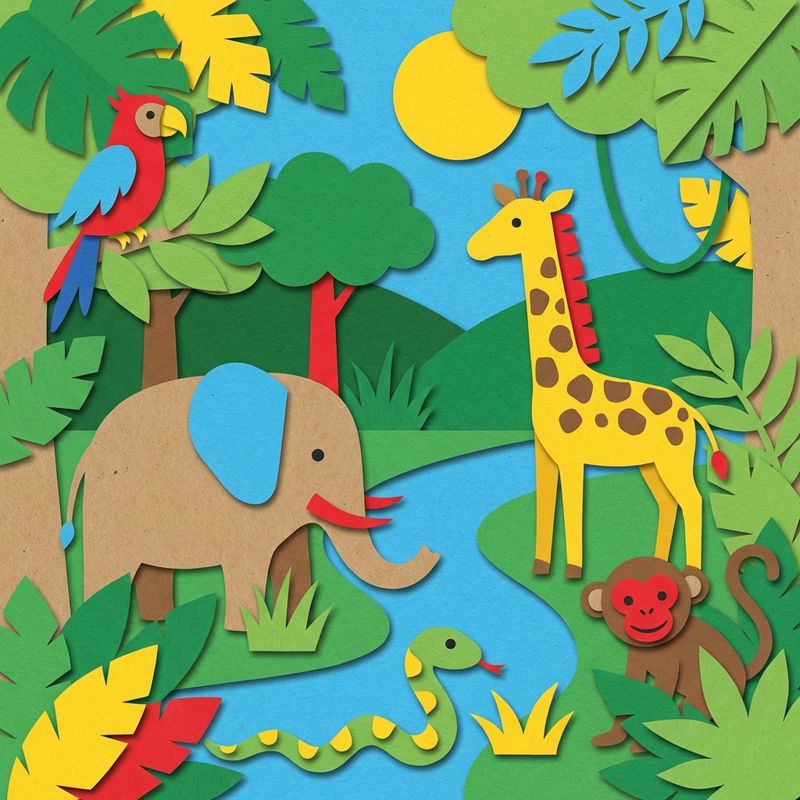
The bold, clear shapes and distinct layers inherent in the Paper Cutout style are exceptionally effective for teaching fundamental concepts, making complex ideas visually digestible and memorable for young learners. Its tactile, familiar aesthetic, reminiscent of beloved educational authors like Eric Carle, naturally fosters engagement and makes the learning process feel approachable and fun.
The palette uses bold, construction-paper colors — primary red, sunshine yellow, sky blue, and grass green with kraft brown. Characters are simplified into expressive shapes suggesting form through layered construction. Environments are built from overlapping paper landscapes with visible cut edges.
This style is engaging for young readers and perfect for stories about nature, animals, and exploration.
Key Benefits
Enhances Visual Learning
The distinct, layered shapes and vibrant, separated colors of the Paper Cutout style naturally highlight key elements, making it easier for learners to differentiate objects, understand processes, and grasp new concepts without visual clutter.
Boosts Engagement & Retention
The charming, handcrafted aesthetic evokes a sense of play and familiarity, encouraging children to actively interact with the content. This strong visual appeal helps information stick, improving recall and making learning a more joyful experience.
Adaptable for Core Subjects
From illustrating the life cycle of a butterfly with layered forms to mapping historical events with distinct scene elements, the Paper Cutout style's clear construction and vibrant palette effectively translate complex information across science, history, literacy, and math topics.
Frequently Asked Questions
How well does the simplified Paper Cutout style illustrate complex scientific or historical concepts for learners?▾
Is the Paper Cutout style only suitable for very young children's educational books, or can it adapt to older elementary learners?▾
Other Styles for Educational & Learning Books
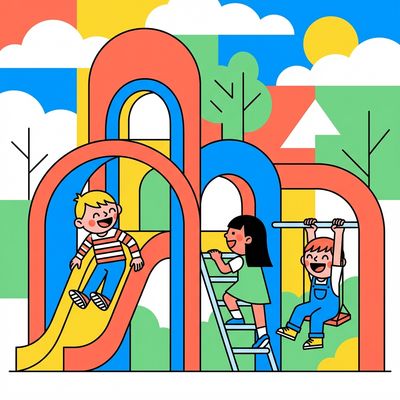
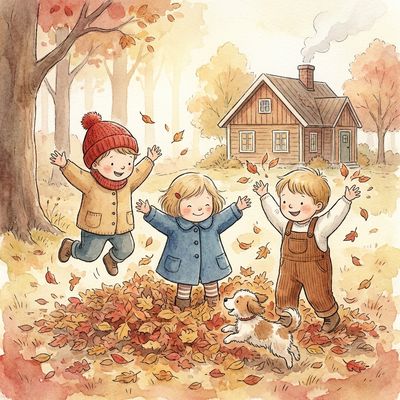
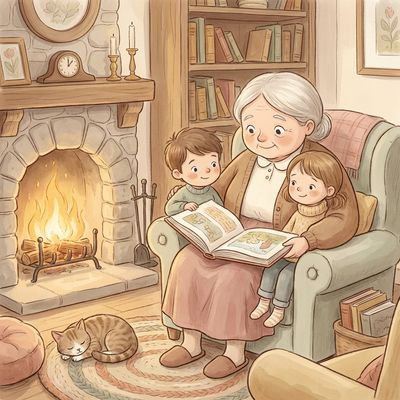
Explore more illustration styles recommended for educational & learning books projects.

Paper Cutout for Other Projects
Paper Cutout for Children's Books
Create beautiful, consistent picture book illustrations in minutes. From cozy storybook warmth to whimsical watercolors.
Paper Cutout for Self-Help & Wellness
Calming visuals, inspiring compositions, and clean modern styles. Elevate your self-help book, journal, or wellness guide with professional illustrations.
Paper Cutout for Recipe & Cookbook
Beautiful food illustrations, kitchen scenes, and ingredient art. Create a visually stunning cookbook without a food photographer or illustrator on retainer.
Paper Cutout for Zines & Indie Publications
Raw, expressive, and unapologetically indie. Illustration styles that match the DIY spirit of zines, small press, and independent publishing.
Start Creating with Paper Cutout
Choose Paper Cutout, create your characters, and generate consistent illustrations for your educational & learning books project.