
Manga Action Style: Bold Linework Meets AI Illustration
Speed lines, dramatic angles, and selective color. We refreshed the Manga Action style and ran our characters through it — see what came out.
What is the Manga Action style?
Manga Action draws from the visual language of shonen manga — the high-energy genre behind series like One Piece, My Hero Academia, and Dragon Ball. The style is defined by bold, dynamic linework, dramatic camera angles, speed lines that convey motion, and selective use of color to focus attention on the action.
In PulseBook's style system, Manga Action has always been a fan favorite for authors creating adventure stories, superhero tales, and any narrative where action drives the plot. But we felt it could be sharper. So we refreshed it.
Why we refreshed it
The original Manga Action preset produced solid results, but it had a few rough edges. Linework occasionally came out too soft — more watercolor manga than crisp shonen. Speed lines were inconsistent, sometimes appearing as muddy smears rather than clean directional strokes. And the color palette leaned toward muted tones when the genre calls for bold, high-contrast moments.
We wanted the style to feel like a page straight out of Weekly Shonen Jump — crisp, energetic, impossible to ignore.
What changed
The refresh focused on three areas:
**Linework.** We dialed up line weight and edge definition. Outlines are now bolder and more consistent across characters and backgrounds. The result reads as intentional ink work rather than a soft digital approximation.
**Speed effects.** We rebuilt the speed-line and motion-blur behavior. Action scenes now get clean, directional speed lines that reinforce movement rather than distract from it. Impact moments — a punch landing, a character leaping — get burst effects that sell the energy.
**Color and contrast.** We shifted the default palette toward higher saturation on focal elements (characters, action props) while keeping backgrounds slightly muted. This creates a natural focal hierarchy — the reader's eye goes straight to the action.
When to use Manga Action for your book
Manga Action works best for stories where physical action and visual energy are central to the experience:
- Adventure and quest stories with chase scenes, battles, and dramatic confrontations - Superhero or powers-based narratives - Sports stories and competition-driven plots - Any scene where a character's movement or emotional intensity needs to burst off the page
It pairs less well with quiet, introspective stories. If your book is mostly dialogue in still settings, a softer style like Cozy Storybook or Whimsical Watercolor will serve you better.
But when you have a moment that needs to feel BIG — a dragon taking flight, a hero landing a decisive blow, a character racing against time — Manga Action delivers.
Manga Action in practice: the Luna test scenes
We ran our test characters — Luna, Captain Splash, and Bramble — through the refreshed Manga Action style. The results were striking. Luna's red hair gained wind-swept dynamism. Captain Splash's leaps became genuinely dramatic. Bramble's map-reading scenes, which are static in other styles, gained a sense of urgency through the surrounding speed lines and dramatic framing.
The style doesn't just illustrate action — it makes every scene feel like something important is happening. That's the shonen manga tradition: even a conversation carries weight when the framing is dramatic enough.
Frequently Asked Questions
Is Manga Action only for manga-style books?▾
Can I still use the old Manga Action style?▾
What if I want a subtler manga look?▾
Explore These Styles
See these illustration styles in action — each with sample images and full details.
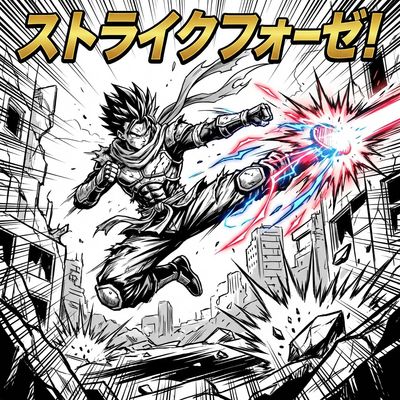
Manga Action
Dynamic manga-style with bold linework and high-energy compositions.
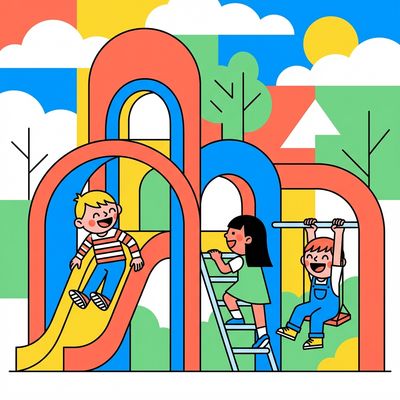
Bold Vector Pop
Clean, modern vector-style with bold shapes and confident lines.
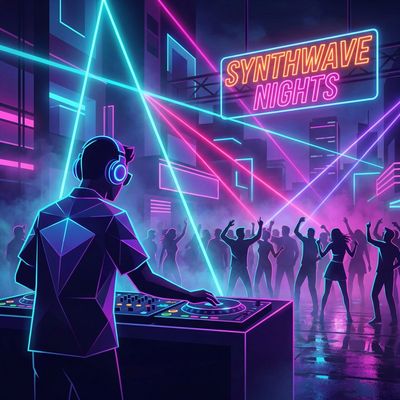
Neon Dreams
Vibrant neon-infused style with synthwave aesthetics.

Ligne Claire
Clean uniform outlines with flat vivid colors, inspired by Hergé and European comics.
Try These Styles Yourself
Create characters, pick a style, and generate consistent illustrations for your book.
Start Free