
Gothic Fairytale vs Moody Noir
Choosing the perfect illustration style can define your project's entire atmosphere. "Gothic Fairytale" and "Moody Noir" offer distinct aesthetics, each ideal for evoking specific emotions and narratives. This comparison will help you decide whether you need the enchanting darkness of a fairytale or the sophisticated grit of a cinematic thriller.
Key Differences
Color Palette & Lighting
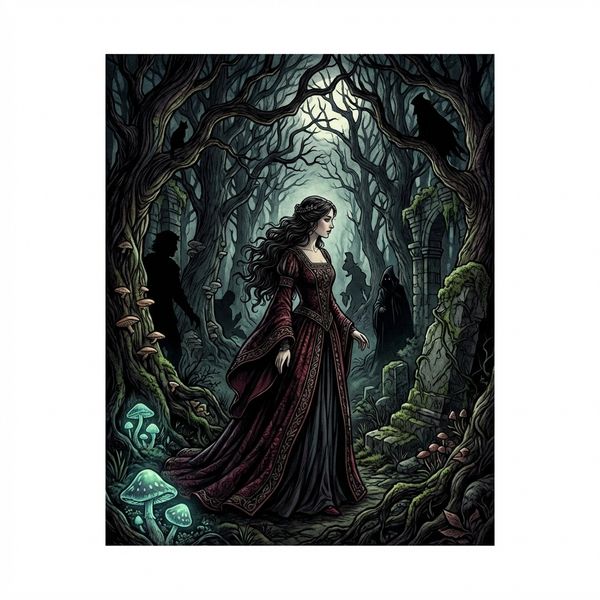
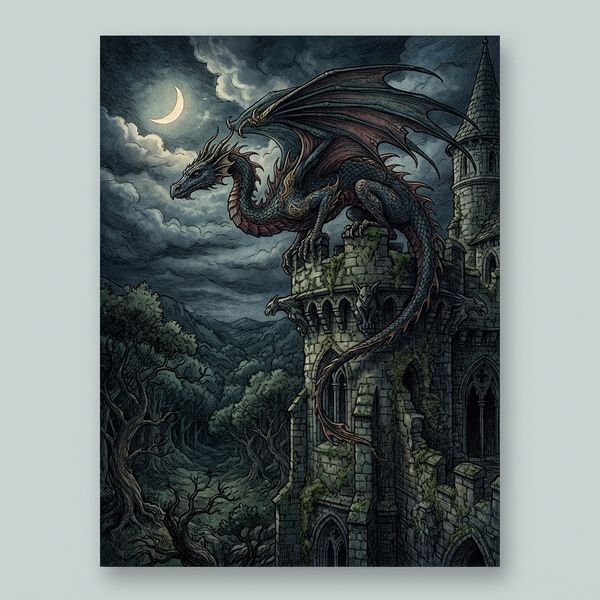
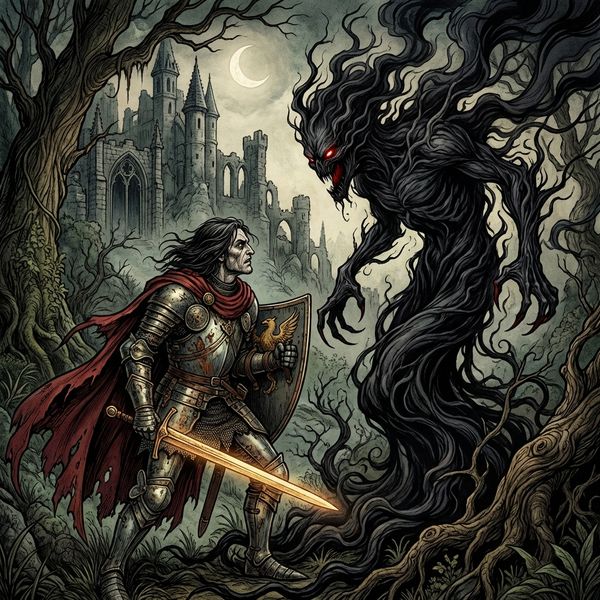
Features a deep, high-contrast palette of midnight black, blood red, antique gold, and forest shadow, with jewel-tone accents. Dramatic lighting creates strong shadows, enhancing the dark romanticism.
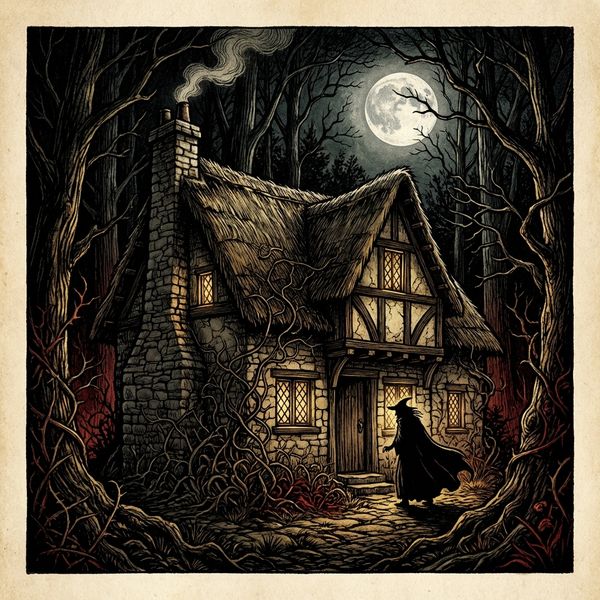
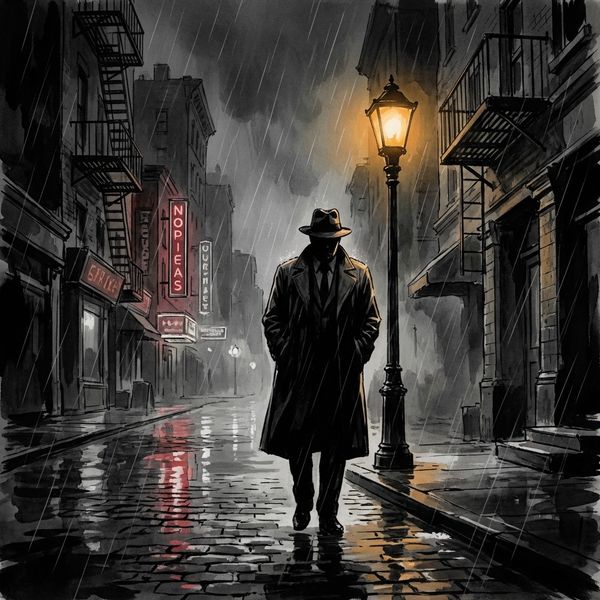
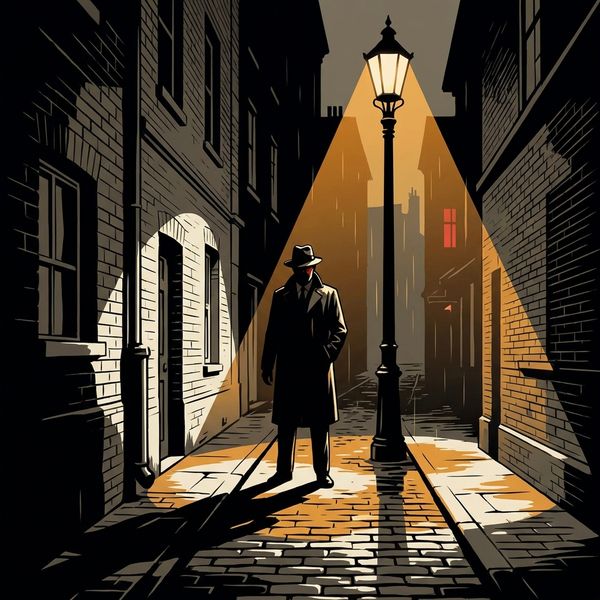
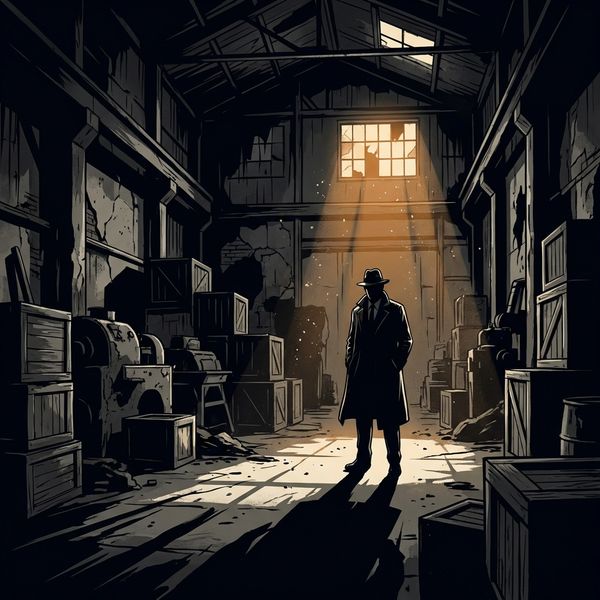
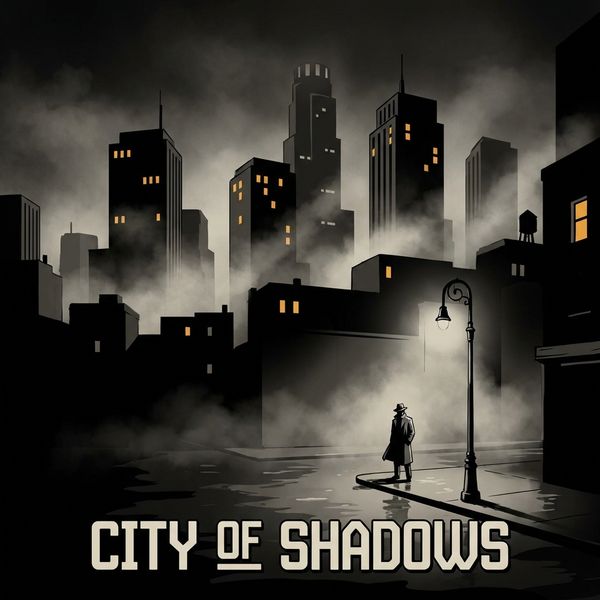
Predominantly grayscale, utilizing deep blacks, warm grays, and off-whites. Strategic, sparing color accents, typically deep red or amber, are used for high impact. Lighting emphasizes strong silhouettes and deep shadows for a cinematic feel.
Character Style
Characters are elegant with slightly elongated proportions, often featuring flowing hair and elaborate, detailed costumes. Expressions are conveyed through fine linework and traditional artistry.
Characters have realistic proportions, defined by strong silhouettes rather than intricate detail. Expression comes through powerful poses, body language, and the interplay of light and shadow on their forms.
Environmental Design
Environments are dense and intricate, filled with rich details, ornate patterns, and lush, fantastical elements. Think enchanted forests, sprawling castles, and hidden magical spaces.
Environments often feature urban landscapes, back alleys, and dimly lit interiors, designed to be atmospheric and mood-setting. Details are often implied through strong lines, geometric shapes, and deep shadows, rather than fine rendering.
Artistic Influences & Mood
Influenced by classic illustrators like Rackham and Dulac, it channels dark romanticism and storybook charm. The mood is mysterious, enchanting, and often tinged with a beautiful melancholy.
Draws heavily from film noir and graphic novel aesthetics, creating a cinematic and suspenseful mood. The style exudes a gritty sophistication, drama, and a sense of intrigue.
When to Choose Gothic Fairytale
Choose "Gothic Fairytale" for re-imagined classic tales, dark fantasy novels, enchanting children's books with a sophisticated edge, or projects requiring a rich, traditional, and visually intricate aesthetic.
Try Gothic FairytaleWhen to Choose Moody Noir
Opt for "Moody Noir" for thrillers, crime novels, urban fantasy, graphic novel covers, or any project needing high-impact, atmospheric images that convey suspense, drama, and a modern, sophisticated edge.
Try Moody NoirMore Resources
Frequently Asked Questions
Which style offers more color variety?▾
Is one style more detailed than the other?▾
Which style is better for conveying a sense of mystery?▾
Try Both Styles Free
The best way to choose is to see both styles with your own characters and story. Create a free account and try them side by side.
Start Free