
Minimalist Poetry vs New Yorker Cartoon
Choosing the right illustration style can profoundly impact your book's voice and visual appeal. At PulseBook.io, we help you explore diverse aesthetics, from the profound depths of Minimalist Poetry to the sophisticated charm of New Yorker Cartoon. Both styles excel in conveying meaning with economy, yet they diverge significantly in their approach to color, detail, and emotional resonance, suiting distinct narrative needs.
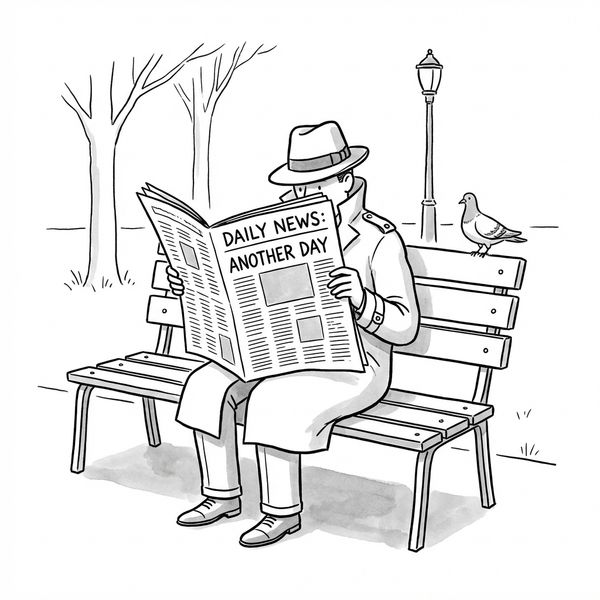
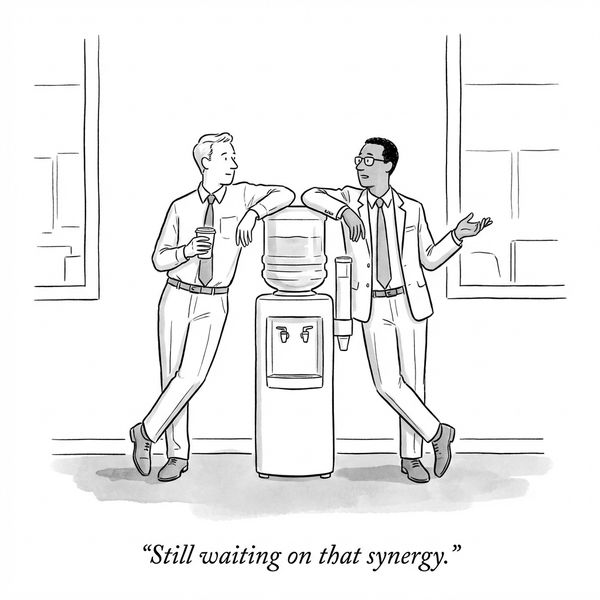

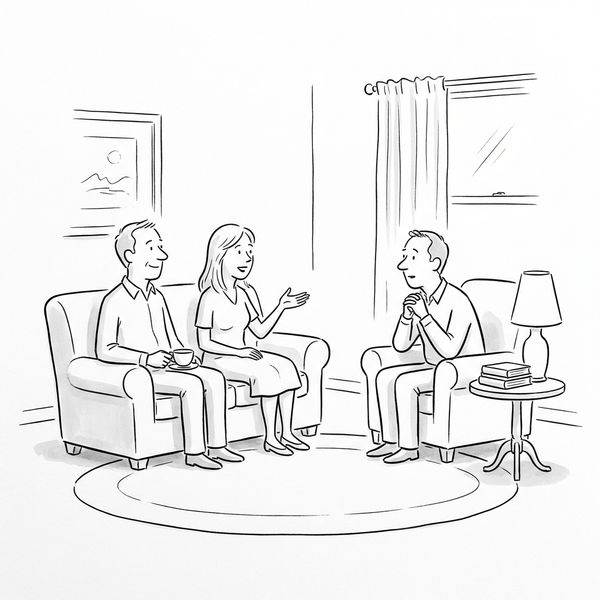
Key Differences
Color Palette
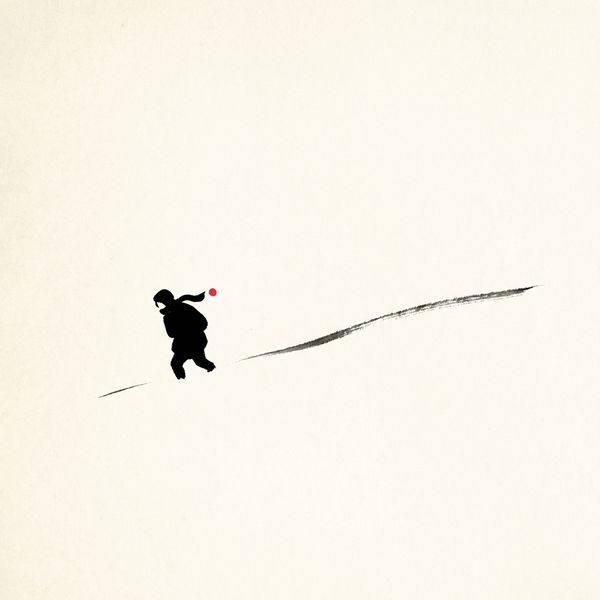
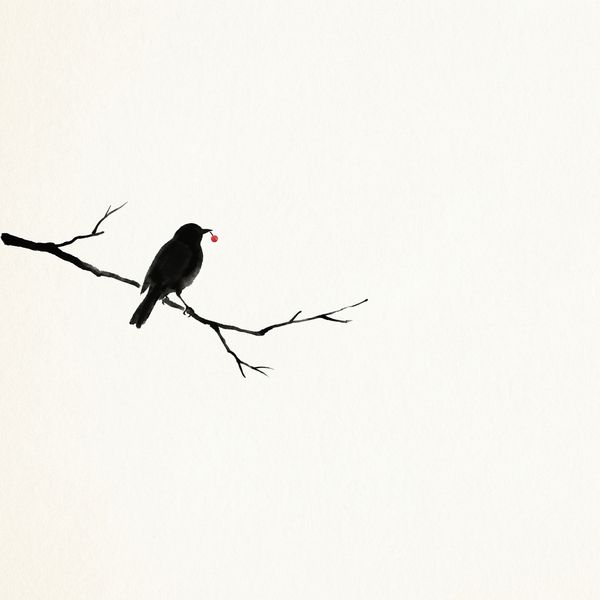
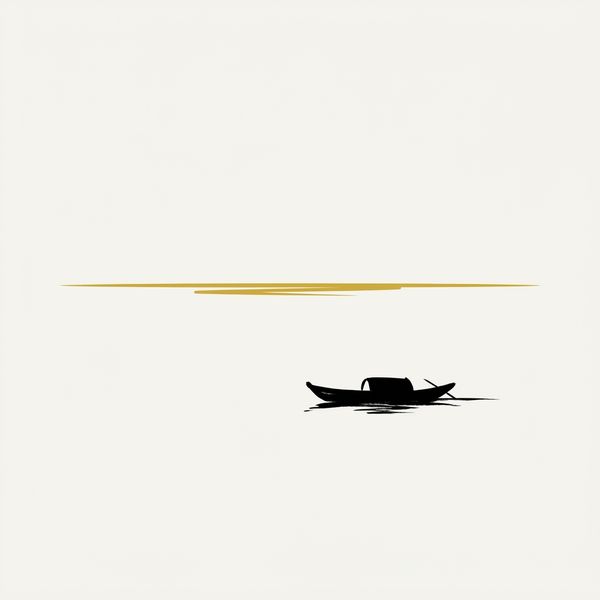
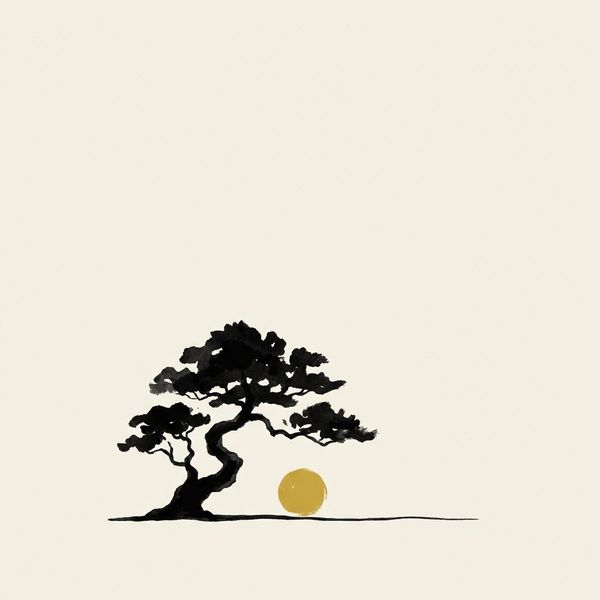
Employs an extremely limited palette of typically just two or three colors per image—deep black, warm white, and a single accent color for strategic impact.
Strictly black and white, using pure black ink on clean white paper with occasional light gray wash for subtle shading and texture.
Linework & Detail
Focuses on essential shapes, silhouettes, and simple forms, relying heavily on thoughtful negative space and single focal points to achieve maximum impact through minimal elements.
Characterized by clean pen and ink lines with confident, economical linework, creating sophisticated illustrations that convey situations with understated precision.
Character Expression
Characters are rendered as essential shapes and silhouettes, conveying expression primarily through posture, body language, and the overall composition rather than facial details.
Characters are simple but highly expressive, with emotions and actions conveyed through just a few essential lines, natural proportions, and subtle facial cues.
Backgrounds & Environment
Environments are minimally suggested through a single key element, such as a branch, horizon line, or geometric shape, leaving much to the viewer's imagination.
Backgrounds are spare, including only the essential details necessary to establish the setting without cluttering the main subject or distracting from the narrative.
Overall Mood & Impact
Aims for maximum impact through profound simplicity, often evoking a contemplative, poetic, or dramatic mood with an emphasis on symbolism and introspection.
Delivers understated wit and sophisticated charm, perfect for conveying humorous, ironic, or observational situations with a lighthearted elegance and classic appeal.
When to Choose Minimalist Poetry
Ideal for projects requiring deep emotional resonance, symbolic storytelling, or a meditative atmosphere, such as poetry collections, philosophical works, or cover art needing a striking, memorable single image.
Try Minimalist PoetryWhen to Choose New Yorker Cartoon
Perfect for narratives that benefit from clever visual commentary, lighthearted humor, or sophisticated observation, making it excellent for memoirs, opinion pieces, or any book seeking a touch of classic editorial wit.
Try New Yorker CartoonMore Resources
Frequently Asked Questions
Which style offers more versatility in conveying complex emotions?▾
Can either style incorporate color beyond their primary palette?▾
Which style is better for conveying a sense of timelessness?▾
Try Both Styles Free
The best way to choose is to see both styles with your own characters and story. Create a free account and try them side by side.
Start Free