
Paper Cutout vs Vintage Nursery
Choosing the right illustration style sets the tone for your entire book, captivating readers from the first glance. For projects aimed at young audiences or those seeking a whimsical, nostalgic charm, PulseBook.io offers distinct options like the tactile Paper Cutout and the classic Vintage Nursery styles. Each brings a unique aesthetic, perfect for crafting memorable stories.

Key Differences
Visual Texture & Depth
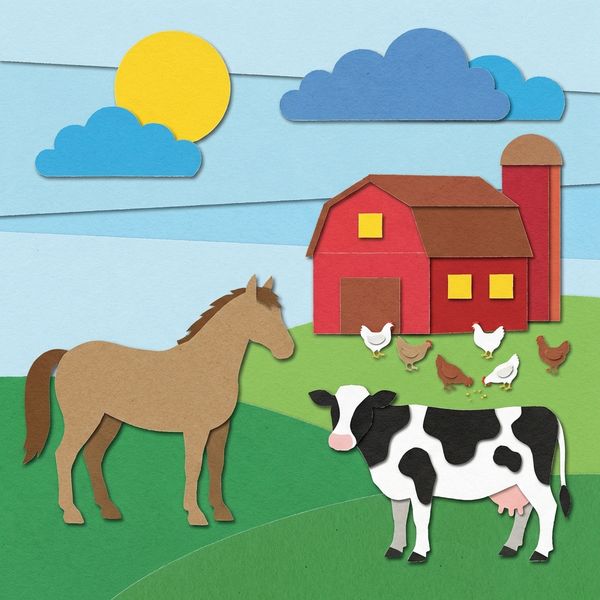
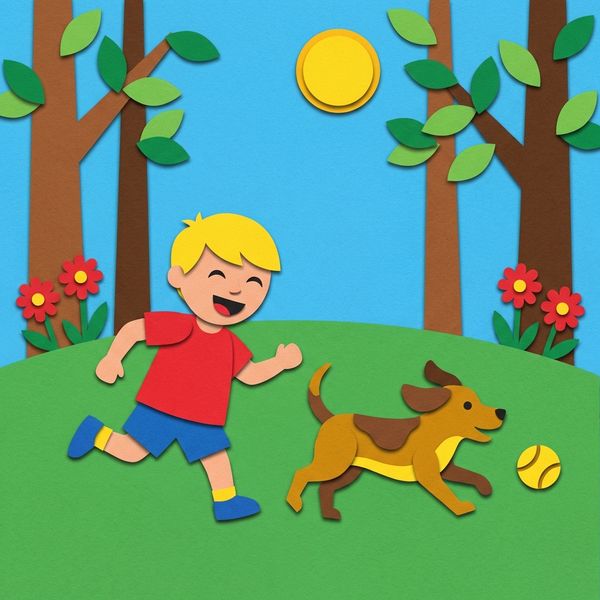
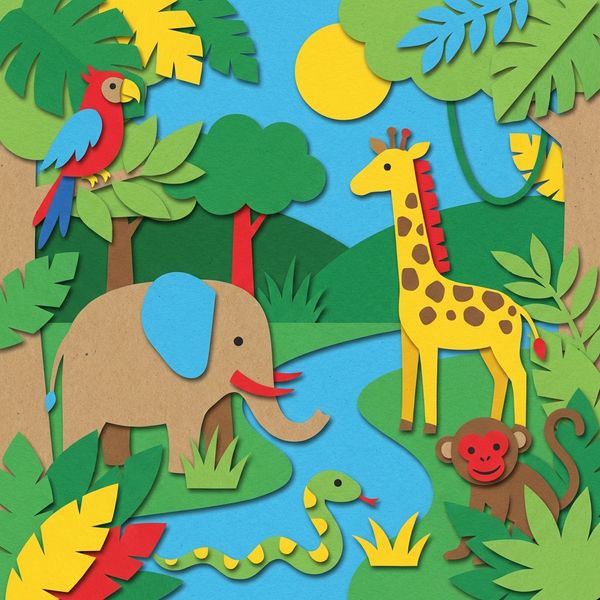
Emphasizes visible layers, distinct cut edges, and subtle shadows, creating a charmingly three-dimensional, handcrafted appearance reminiscent of actual paper collage. A visible paper texture is often incorporated.
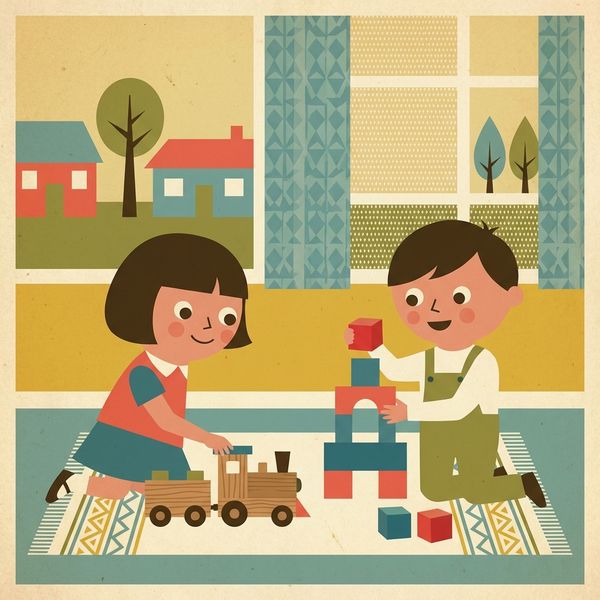
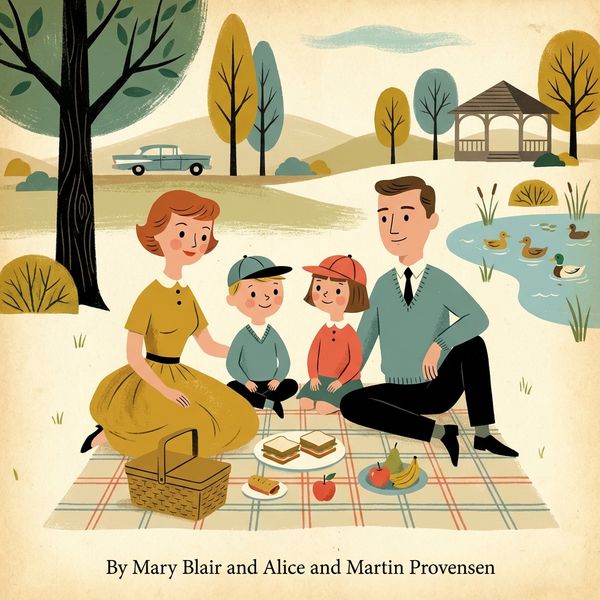
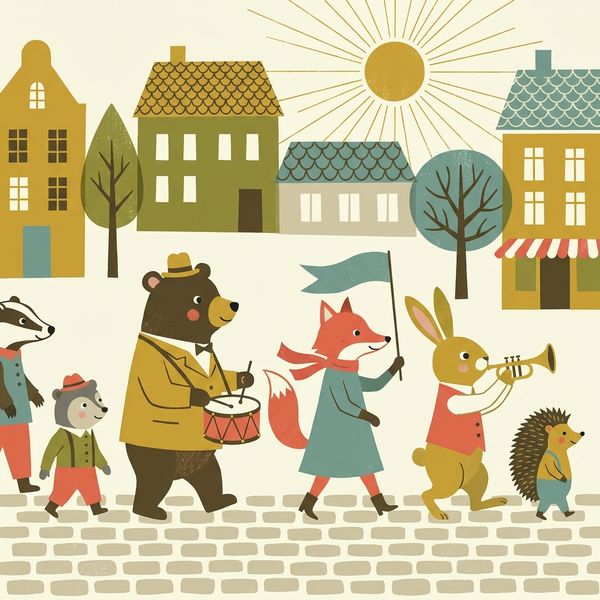
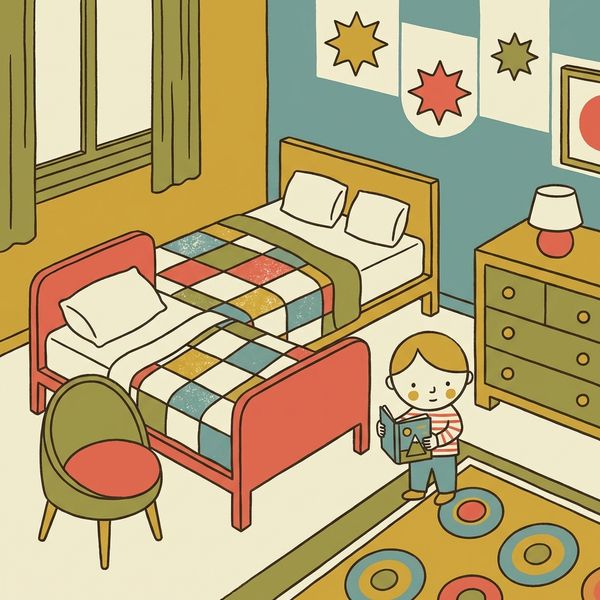
Features predominantly flat color areas, achieving depth and interest through clean, geometric shapes and strategically placed, subtle textures that imply rather than overtly create dimension. It avoids obvious layering or shadows.
Color Palette
Utilizes a vibrant, high-contrast palette of bold, construction-paper colors, including primary red, sunshine yellow, sky blue, and grass green, often grounded with earthy kraft brown, for an energetic and playful feel.
Adopts a more subdued, retro-inspired palette featuring warm, slightly desaturated tones such as mustard yellow, dusty teal, coral red, and olive green, specifically chosen to evoke a strong sense of nostalgic warmth.
Character Design
Characters are simplified and constructed from distinct, overlapping paper shapes, giving them an expressive yet blocky form with visible layered edges that suggest their construction.
Characters are highly stylized and simplified with clean, bold shapes, often featuring appealingly round heads and a delightful, geometric essence, reflecting mid-century design aesthetics.
Overall Mood & Aesthetic
Conveys a playful, hands-on, and energetic feel, celebrating the charm of handmade crafts and encouraging interaction with its tangible appearance, ideal for dynamic stories.
Radiates a timeless sense of nostalgic warmth, elegance, and whimsical simplicity, channeling the clean, comforting aesthetics of children's books from the 1950s and 60s.
When to Choose Paper Cutout
Choose Paper Cutout for stories that are energetic, imaginative, and benefit from a tangible, handcrafted feel, ideal for early learning books, craft-themed narratives, or projects celebrating creativity and play.
Try Paper CutoutWhen to Choose Vintage Nursery
Opt for Vintage Nursery for projects seeking a classic, comforting, and elegant retro charm, perfect for timeless bedtime stories, lullabies, or educational content with a gentle, nostalgic appeal.
Try Vintage NurseryMore Resources
Frequently Asked Questions
Which style offers more visible dimensionality?▾
What kind of emotional response does each style typically evoke?▾
Are characters in both styles equally simplified?▾
Try Both Styles Free
The best way to choose is to see both styles with your own characters and story. Create a free account and try them side by side.
Start Free